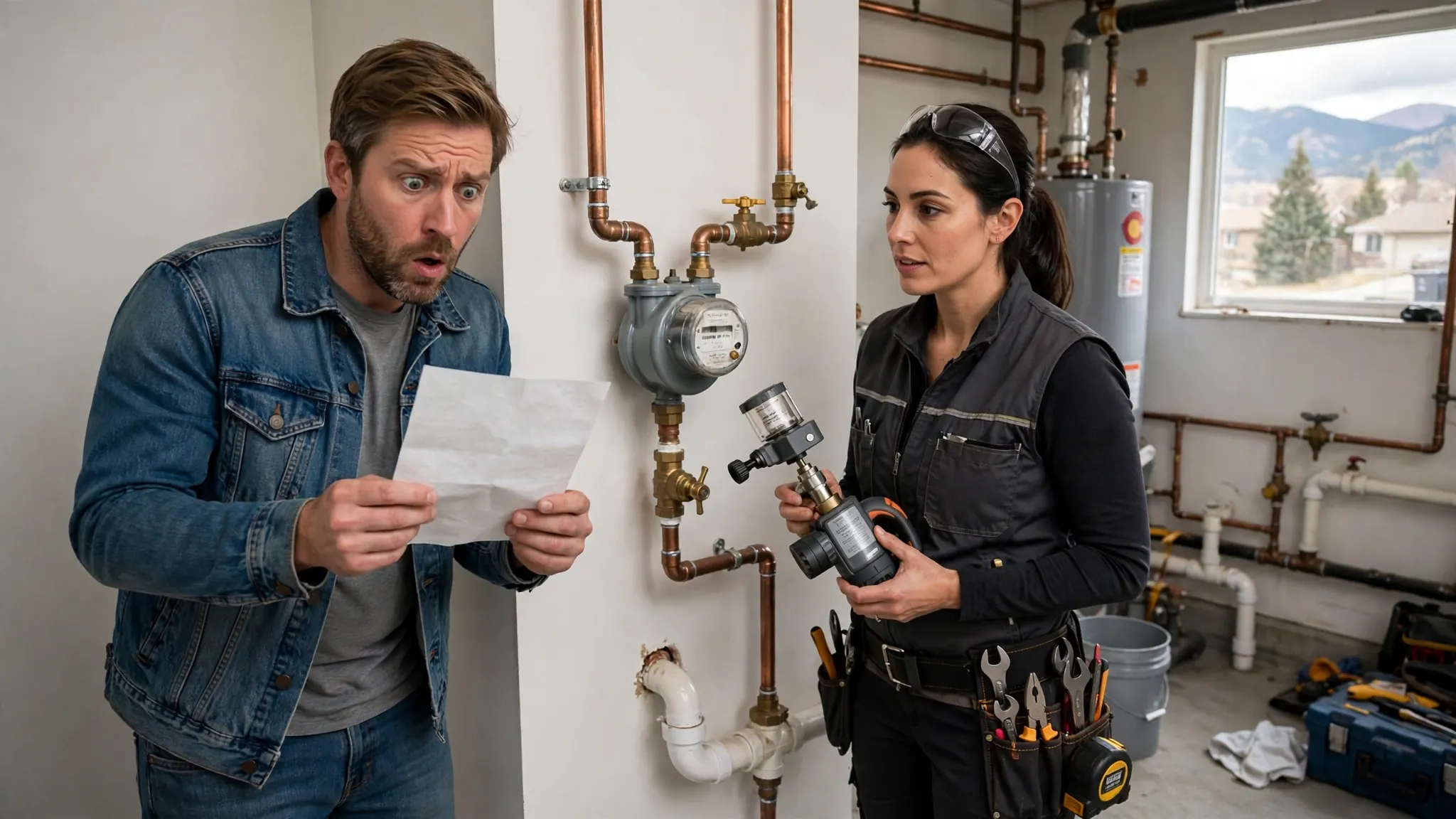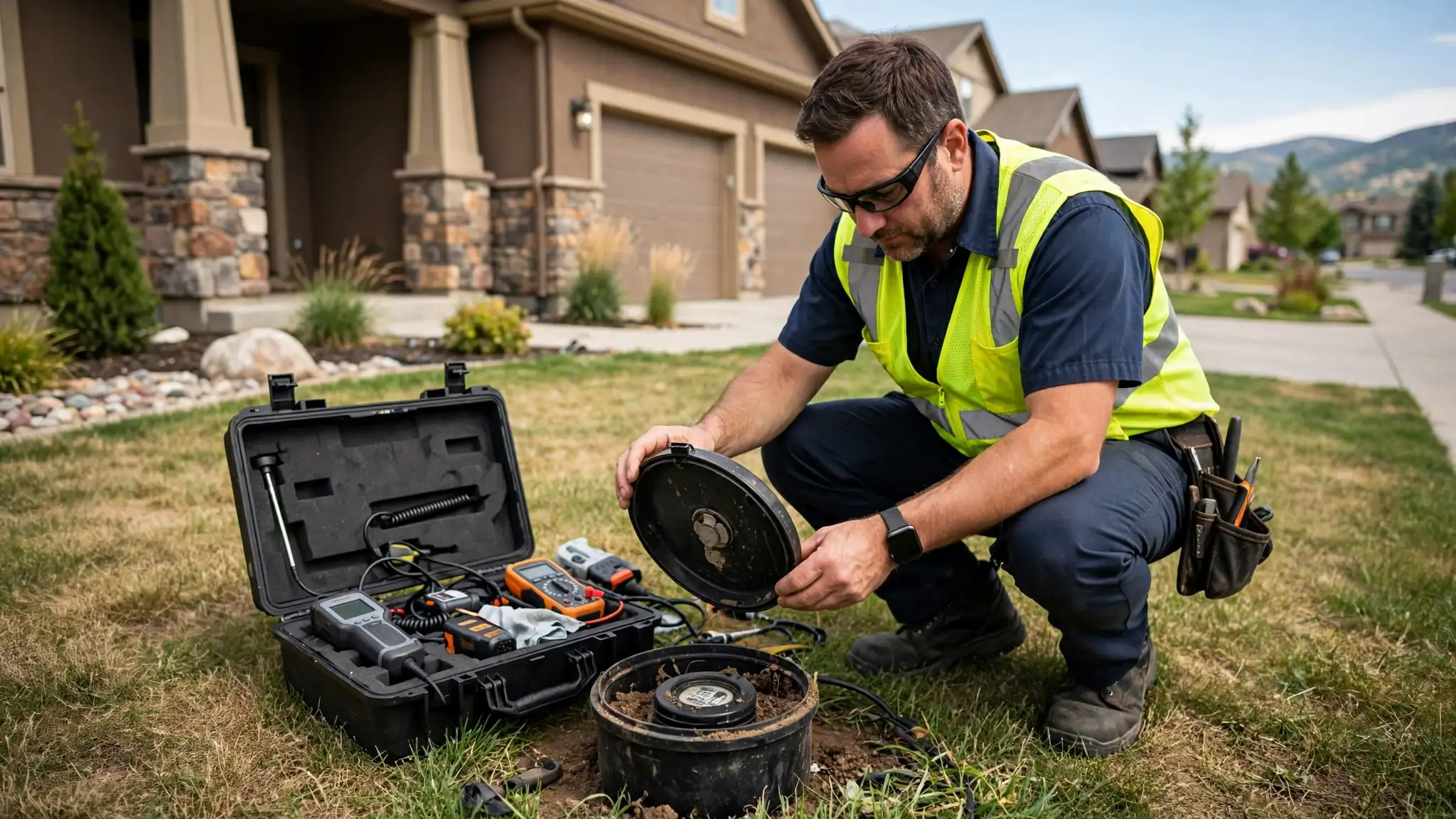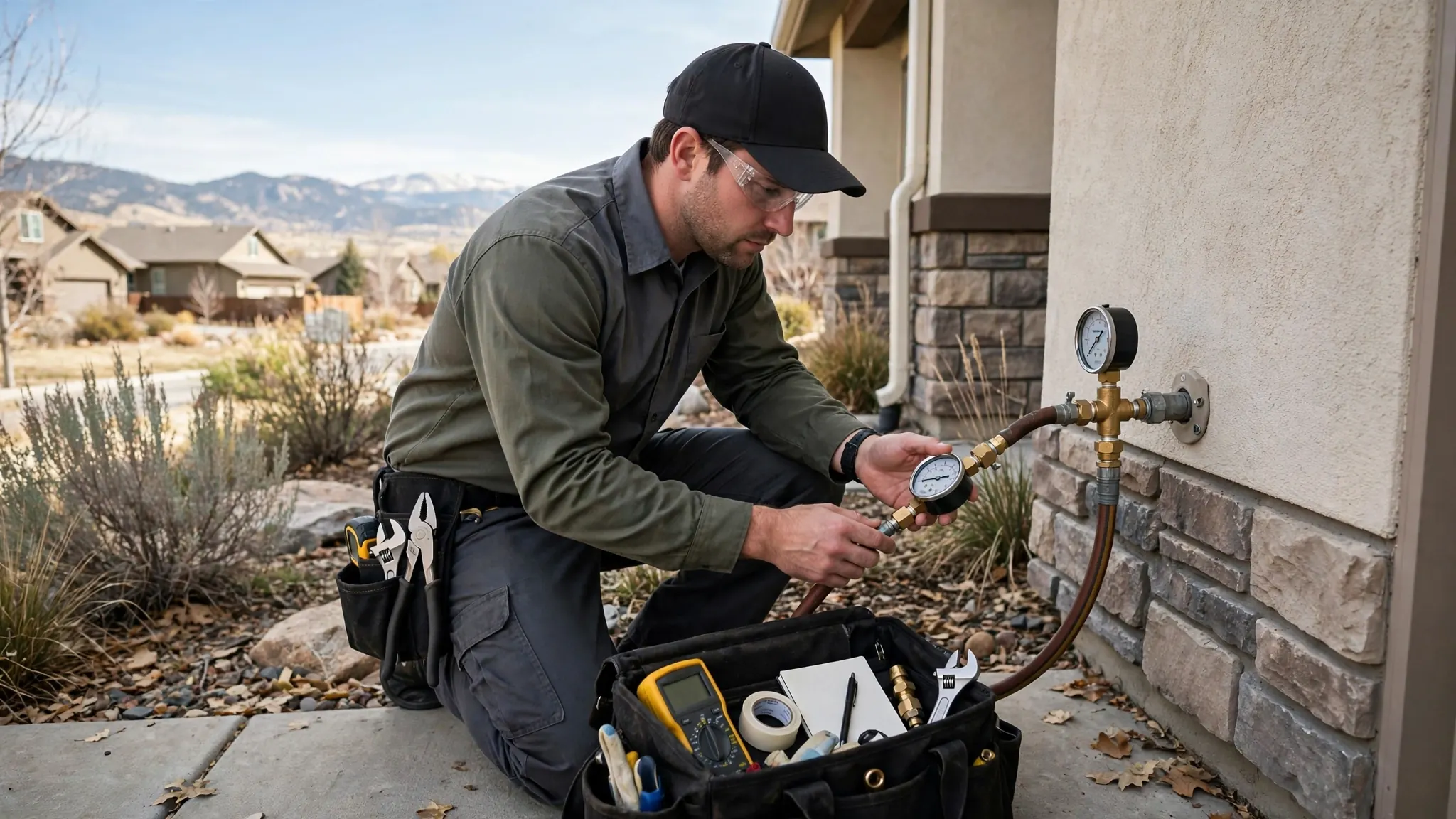
A water bill that jumps for no reason is one of the most reliable leak alarms a homeowner gets. The meter does not lie: if your usage doubled but your habits did not, water is going somewhere you cannot see. Before you call anyone, there are checks you can run yourself in about two hours — and they will tell you whether you actually have a leak and roughly where it lives. This guide shows 80021 homeowners how to confirm a leak with the meter, where the hidden culprits usually are, and exactly when it is time to bring in detection equipment.
First, Rule Out The Non-Leak Explanations
Not every spike is a leak, so spend ten minutes eliminating the innocent causes. Check whether your rate changed — utilities adjust pricing, and a higher bill with identical usage is a billing story, not a plumbing one. Compare the reading type: an estimated reading followed by an actual reading can create an artificial jump. Think about the season: irrigation systems waking up in spring add thousands of gallons legitimately, and a pool autofill working overtime in summer does the same. Houseguests, a new teenager taking marathon showers, a recently installed appliance — all move the needle honestly. The most useful comparison is the same billing period last year: if this June looks like last June, relax. If it dwarfs it and nothing in your household changed, keep reading — you are likely looking at a leak.
The Two-Hour Meter Test — Do This Today
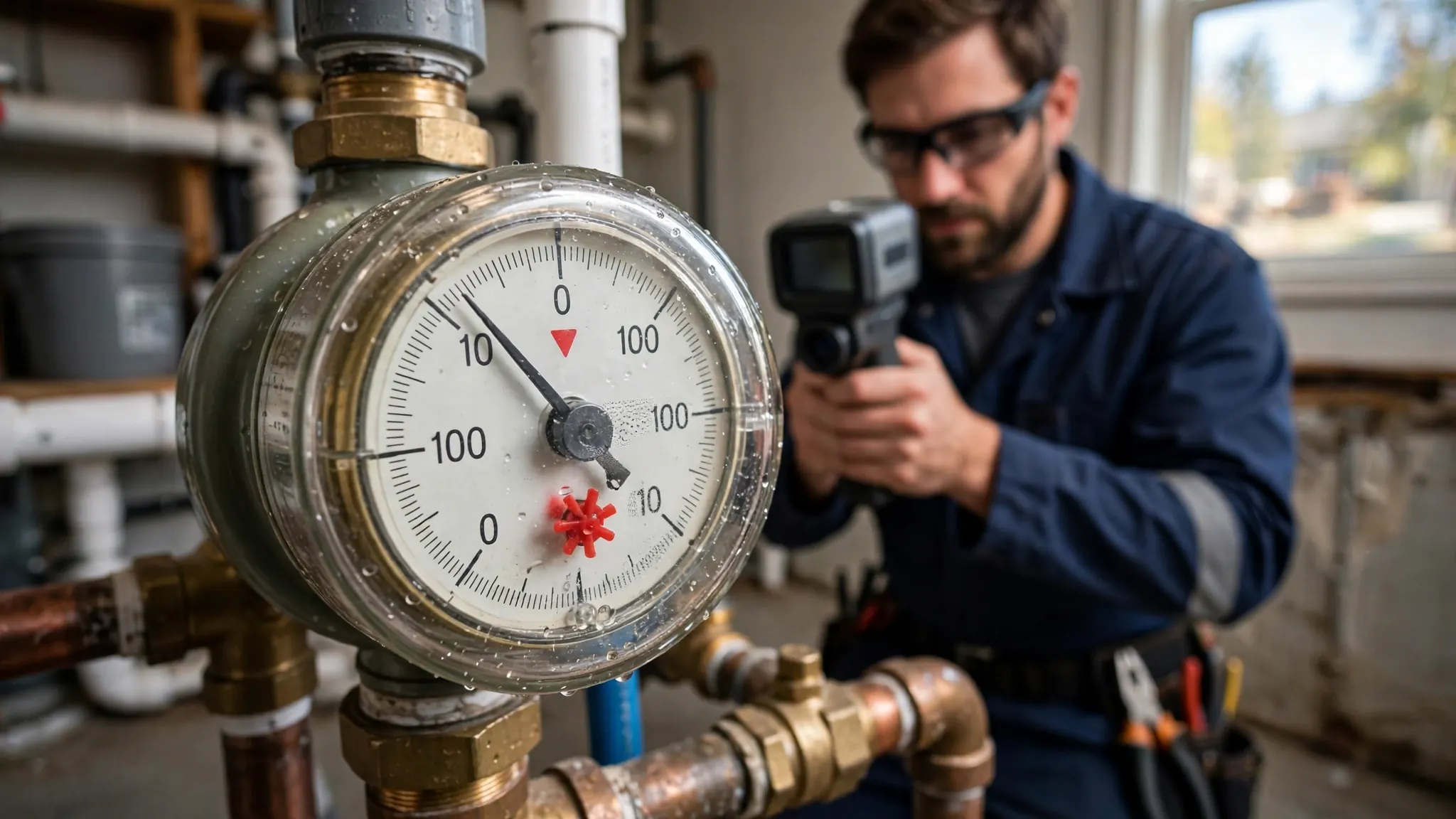
This is the definitive home test, and it costs nothing. Find your water meter — usually in a box near the street — and write down the exact reading, photographing the dial for good measure. Then use no water at all for two hours: no flushing, no ice maker, no irrigation, no laundry. Read the meter again. Any movement means water is flowing somewhere in your system with every fixture off — which is the definition of a leak. For a faster read, watch the small leak-indicator dial or triangle on the meter face; if it creeps with everything off, you have your answer in minutes. Note how far the reading moved: a tiny creep suggests a slow culprit like a toilet flapper, while significant movement points to a pressurized supply leak. Either way, you have converted suspicion into evidence — and evidence is what makes the next steps efficient. Our leak detection service for 80021 starts from exactly this kind of homeowner groundwork.
Run the meter test once during the day and once overnight. A leak that only moves the meter at certain hours — say, when irrigation would run — tells the technician which system to investigate first.
The Usual Hidden Culprits
When the meter confirms a leak, the suspects narrow to a familiar lineup. Toilet flappers are the most common and the cheapest to fix: put food coloring in the tank, wait twenty minutes without flushing, and check whether color reached the bowl. Irrigation laterals come next — a cracked underground line can hemorrhage water every cycle while the surface looks merely damp; our irrigation leak detection covers these specifically. Slab leaks hide pressurized breaks under concrete, often announcing themselves only through the bill. The buried service line between the meter and the house can split and drain straight into the soil, sometimes for months. Water softeners stuck in regeneration cycle dump water down the drain silently, and a water heater's temperature-and-pressure relief valve can weep continuously into a floor drain nobody inspects. Work through the cheap checks first — flapper dye test, softener cycle check, a walk of the irrigation zones — before assuming the worst.
Patterns We See In 80021 Homes
Local conditions shape which culprits appear most. Broomfield's freeze-thaw cycles stress buried service lines and irrigation laterals, so bill spikes that arrive in late winter or early spring often trace to frost damage that opened up as the ground moved. The area's irrigation-heavy lots mean sprinkler systems run long seasons, and a single cracked lateral on a large zone can waste staggering volumes before anyone notices the soggy patch. In established 80021 neighborhoods, aging copper and galvanized supply lines develop pinhole leaks that start small — a modest bill bump — and grow. And because many homes here sit on slabs, the classic slab-leak signature (bill climbing month over month with no visible water) shows up regularly. None of this replaces diagnosis, but it explains why your spike probably looks like your neighbor's spike did last year.
When A Bill Spike Means Call Now
Some bill spikes can wait for a scheduled visit; others should not. Call immediately if the meter moves continuously and substantially with everything off — that is a pressurized leak running around the clock. Call now if the spike comes with any physical symptom: a warm spot on the floor, the sound of running water behind walls, a new wet strip in the yard, or dampness where it should not be. A bill that doubles two months in a row deserves urgency even without symptoms, because the trajectory says the break is growing. And if you have ruled out toilets, irrigation, and appliances and the meter still moves, you have exhausted the DIY list — that is precisely the moment professional instruments earn their keep. Our high-bill leak service exists for exactly this scenario: usage with no explanation.
One more scenario deserves a call even without dramatic symptoms: the slow climber. A bill that rises a little each cycle for three or four cycles is the signature of a pinhole leak that is growing — copper pinholes and slab leaks both behave this way. Homeowners often explain away each small increase until the cumulative jump is shocking. If your usage trend line slopes upward across multiple bills with no lifestyle change behind it, treat it like a confirmed leak and schedule detection. Catching a pinhole while it is still a pinhole is the cheapest version of this entire story.
What A Detection Visit Does About A High Bill
A high bill without a visible source is a zone-isolation problem, and that is a detection specialty. The technician starts at the meter, confirming flow and measuring its rate, then systematically shuts off zones — irrigation first (the usual suspect), then the house, then individual branches — watching the meter after each step to see which zone stops the movement. Once the leaking zone is identified, acoustic listening and thermal imaging pinpoint the exact break within it. The visit ends with a marked location and a written report documenting the findings — the same report that supports a utility bill adjustment request and the repair plumber's quote. Most high-bill mysteries in 80021 resolve in a single visit, and the monthly savings start the day the leak is fixed. If your bill spiked and the meter test confirmed flow, call (720) 715-9734 — every week of waiting is another billing cycle funding the leak.
If the spike points to a slab issue, slab leak repair paths and costs maps what comes next, and emergency steps applies when water is actively spreading.