Nobody enjoys calling for a service without knowing what it will cost, and leak detection is no exception. Here is the honest answer for 80021: a detection visit is a diagnostic service, not a repair, and what you pay reflects how difficult the leak is to find — where it hides, what kind of leak it is, and which instruments the search requires. A straightforward wall leak located with a thermal camera in twenty minutes is a different job than an intermittent slab leak that needs acoustic correlation and zone-by-zone pressure testing. This guide breaks down each pricing factor in plain language, explains what a fair quote includes, and shows you how to get an exact price for your situation before anyone picks up a tool.
What A Leak Detection Visit Actually Includes
A detection visit has one job: find the exact location of a hidden leak without tearing your house apart. The technician starts with a walkthrough of your symptoms — sounds, stains, bill changes — then checks the water meter for continuous flow. From there, the plumbing system gets divided into zones (house lines, irrigation, service line) and each zone is tested to narrow the search. Acoustic listening equipment picks up the hiss of pressurized water escaping; thermal imaging reveals the heat signature of hot-water leaks behind walls and under floors; pressure testing confirms which line is actually losing water. When the leak is found, its position is marked and you receive a written report with photos and readings — the document your repair plumber and your insurer both want to see. Detection and repair are separate services with separate pricing: our leak detection service for 80021 pinpoints the problem, and a qualified plumber performs the fix. Understanding that split is the first step to reading any quote.
Cost Driver 1: Where The Leak Is Hiding
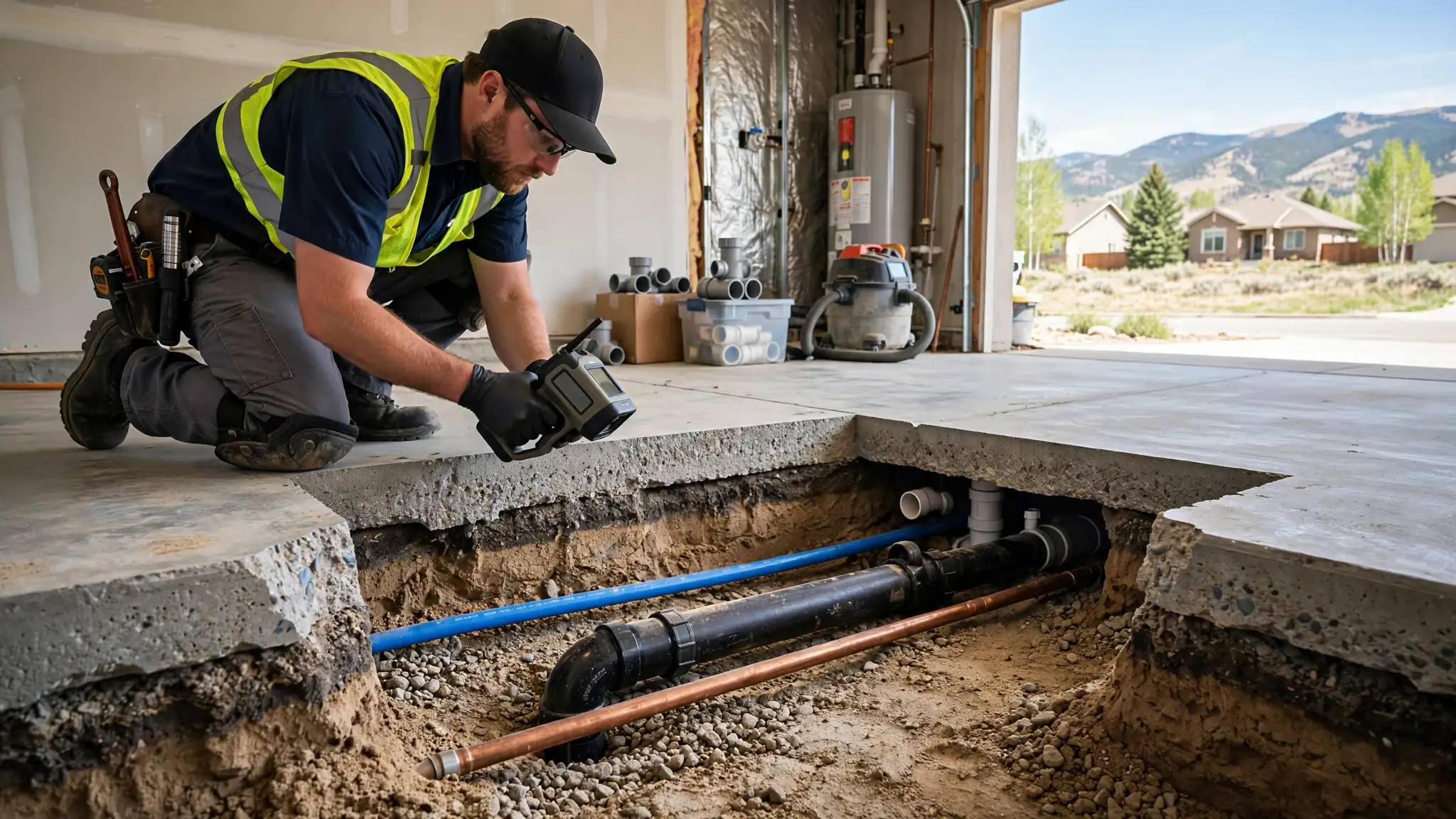
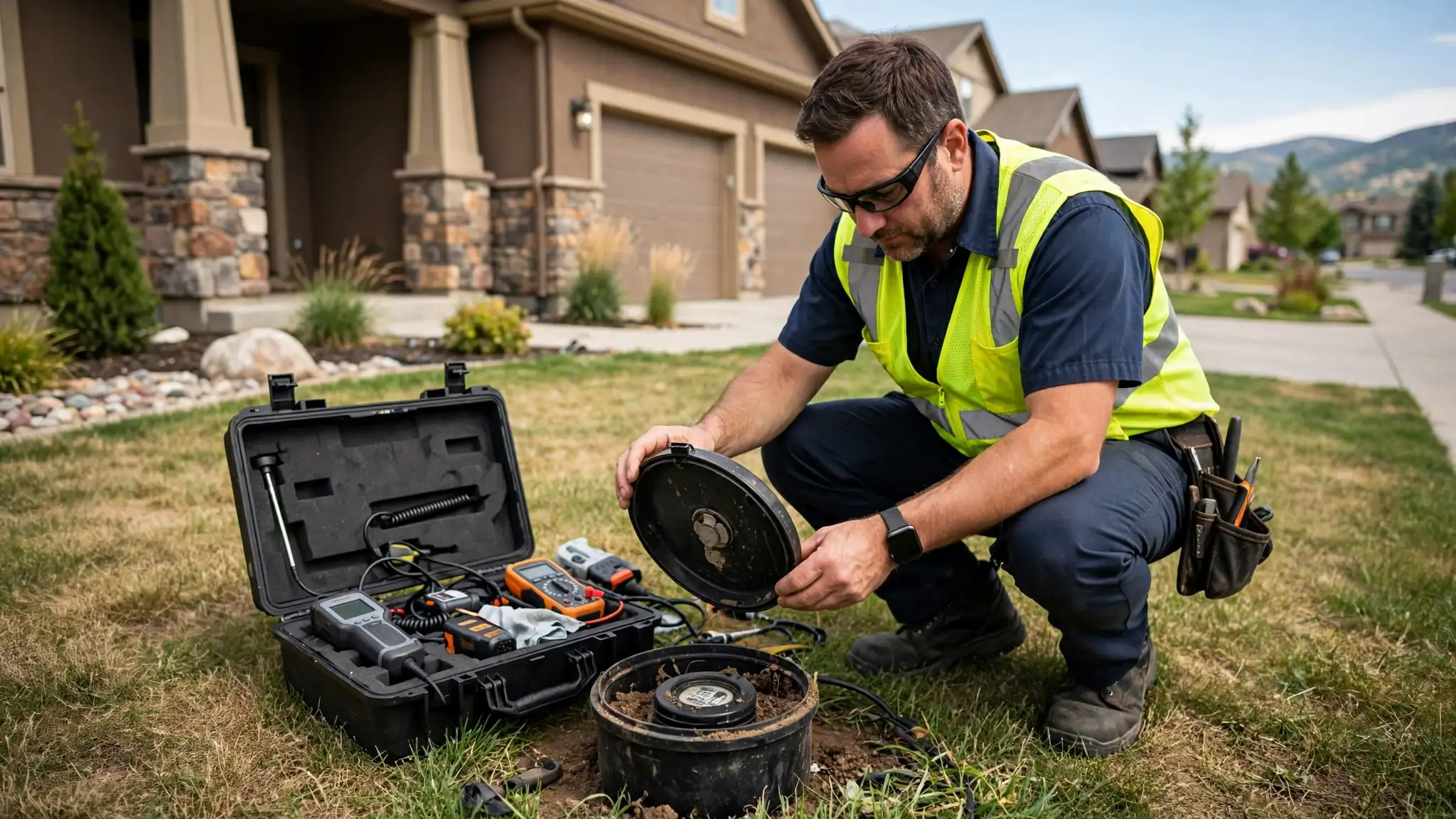
Access is the single biggest pricing factor. A leak on an exposed pipe in an unfinished basement can be confirmed in minutes — the technician can see it, hear it, and test it directly. A leak inside a finished wall takes longer: thermal scanning to map the moisture, acoustic listening to pinpoint the sound, and careful interpretation to avoid marking the wrong section. Under a concrete slab, the work gets more specialized still, with ground microphones and correlation equipment tracing the leak's sound through feet of concrete and soil — our slab leak detection page explains that process in detail. A leak in the buried service line between the meter and the house means tracing a line across the yard, sometimes beneath driveways or landscaping. Each step up in difficulty adds time on site and calls for more sophisticated instruments, and the quote reflects that. When you call, describing where you suspect the leak — wall, floor, yard — helps us price the visit accurately instead of padding for unknowns.
Cost Driver 2: What Kind Of Leak It Is
Not all leaks behave the same, and behavior drives diagnostic effort. A pressurized supply leak hisses constantly, which makes it relatively cooperative — acoustic equipment can hear it any time of day. A drain or waste-line leak only flows when fixtures run, so the technician may need to run water strategically while listening. Hot-water leaks leave a thermal signature that an infrared camera can see through drywall and even thin slab; cold-water leaks leave none, so they lean harder on acoustic methods. Intermittent leaks — the ones that only appear under certain conditions — take the longest, because the technician must reproduce the conditions or test each suspect zone systematically. The more a leak hides its own evidence, the more methodical the search becomes. This is also why your symptoms matter so much: "I hear running water when everything is off" points toward a pressurized supply leak, while "the stain only appears after showers" points toward a drain issue — and each leads down a different, differently priced diagnostic path.
Cost Driver 3: Which Instruments The Search Requires
The toolkit shapes the visit. Basic acoustic listening — a sensitive ground microphone and headphones — handles many straightforward jobs on its own. Thermal imaging adds the ability to see temperature differences behind surfaces, essential for hot-water leaks and for mapping how far moisture has spread. Pressure testing with isolation valves divides the plumbing into zones and proves which section is losing water, a critical step when the leak could be hiding in any of several lines. For the stubborn cases, tracer gas — a safe hydrogen-nitrogen mix introduced into the line, then sniffed for at the surface — can find leaks that defeat every other method. A company that owns this full range can match the instrument to the job instead of forcing one tool to do everything, and can tell you upfront which level your situation likely needs. More instruments on site generally means a more involved visit, but it also means a more certain answer — and certainty is what keeps the eventual repair small.
Cost Driver 4: The Size And Complexity Of Your Plumbing
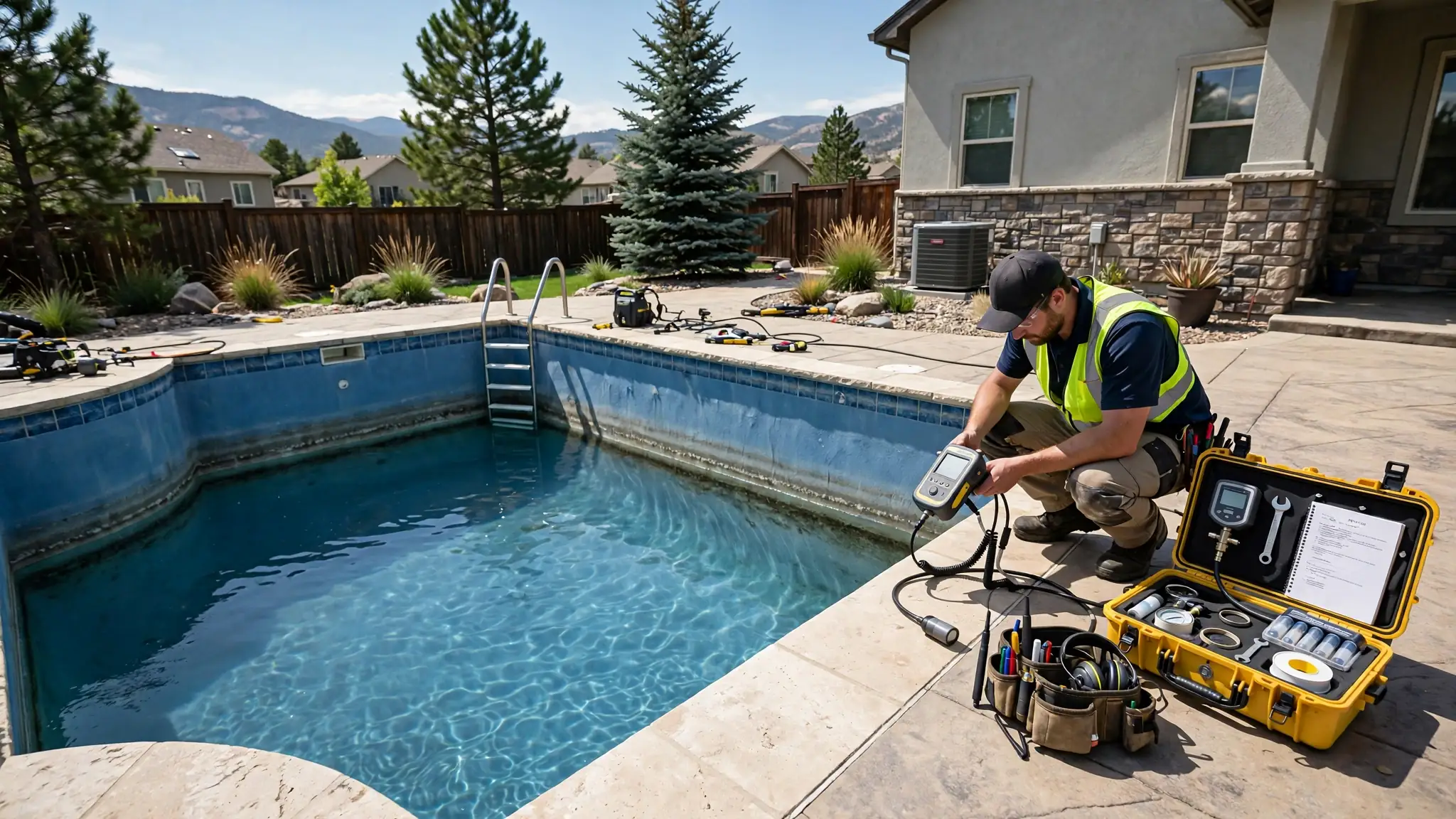
A one-bathroom ranch and a two-story home with four bathrooms, a finished basement, and an irrigation system are different diagnostic projects. Every additional bathroom, water heater, hose bib, and irrigation zone is another branch the technician may need to isolate and test. Homes with pools or spas tied into the same water supply add another system to rule in or out. Larger lots mean longer service lines to trace between the meter and the house, and a fair quote accounts for that openly. When you describe your home on the call (square footage, stories, bathrooms, irrigation), you are giving us exactly what we need to scope the visit and price it precisely rather than guessing high to cover ourselves.
What A Fair, Transparent Quote Looks Like
A fair quote for leak detection in 80021 has three hallmarks. First, it is a flat detection fee quoted before the visit — not open-ended hourly billing with no cap. You should know the number before anyone arrives. Second, it includes the written report: marked location, photos or thermal images, and pressure readings. A verbal "we found it, good luck" is not a finished job. Third, it is clear about what is not included — the repair itself, and any drywall or concrete patching afterward, which are separate services performed by others. Be cautious of quotes given without a single question about your symptoms, companies that want to start opening walls during the "detection" visit, or anyone pushing a repair contract before the leak is pinpointed. Our approach is simple: call (720) 715-9734, describe what you are seeing, and get an exact, no-obligation quote for the detection visit.
A reputable detection company will confirm your flat fee by text or email before dispatching. If a company will not commit to a number until the technician is standing in your hallway, keep shopping.
Simple Ways To Keep Your Detection Cost Down
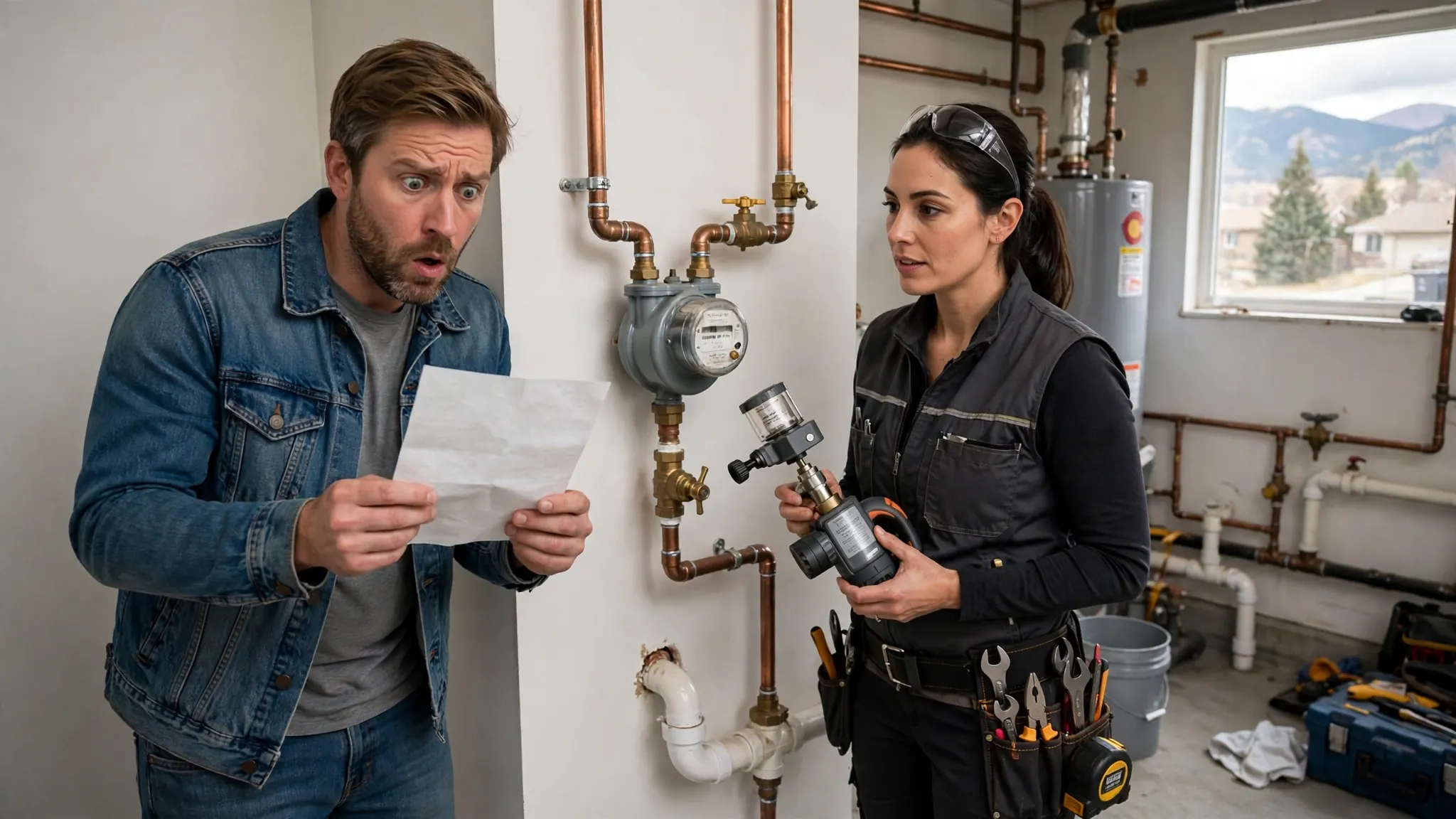
You can trim the job before we arrive. Run the meter test first: record your water meter reading, use no water for two hours, and read it again. Movement means a continuous leak, and telling us that narrows the search immediately. Clear access to the meter, the water heater, and any crawlspace or basement areas, so no time goes to moving storage boxes. Write down when you notice symptoms — sounds at night, stains after rain, a water bill that jumped for no reason — because patterns point the technician to the right zone faster. And do not wait: a small, fresh leak is almost always quicker to find than one that has been spreading for months, saturating wide areas and muddying every reading.
Why Detection Usually Pays For Itself
Measured against the alternative, professional detection is the cheap part of a leak. A hidden supply leak can waste thousands of gallons a month — often visible as the bill spike that prompted the call — and every month of waiting is money down the drain. Water damage compounds as well: a small ceiling stain becomes framing rot, mold remediation, and flooring replacement if the leak keeps running. And the repair itself stays small only when its location is known — a pinpointed leak means opening one precise section instead of exploratory demolition across a room. Learn more about our full leak detection process and what the visit involves, then call for your exact quote.
For pool-specific pricing, see pool leak detection costs in 80021, and slab leak repair costs explains what happens cost-wise after a slab diagnosis.