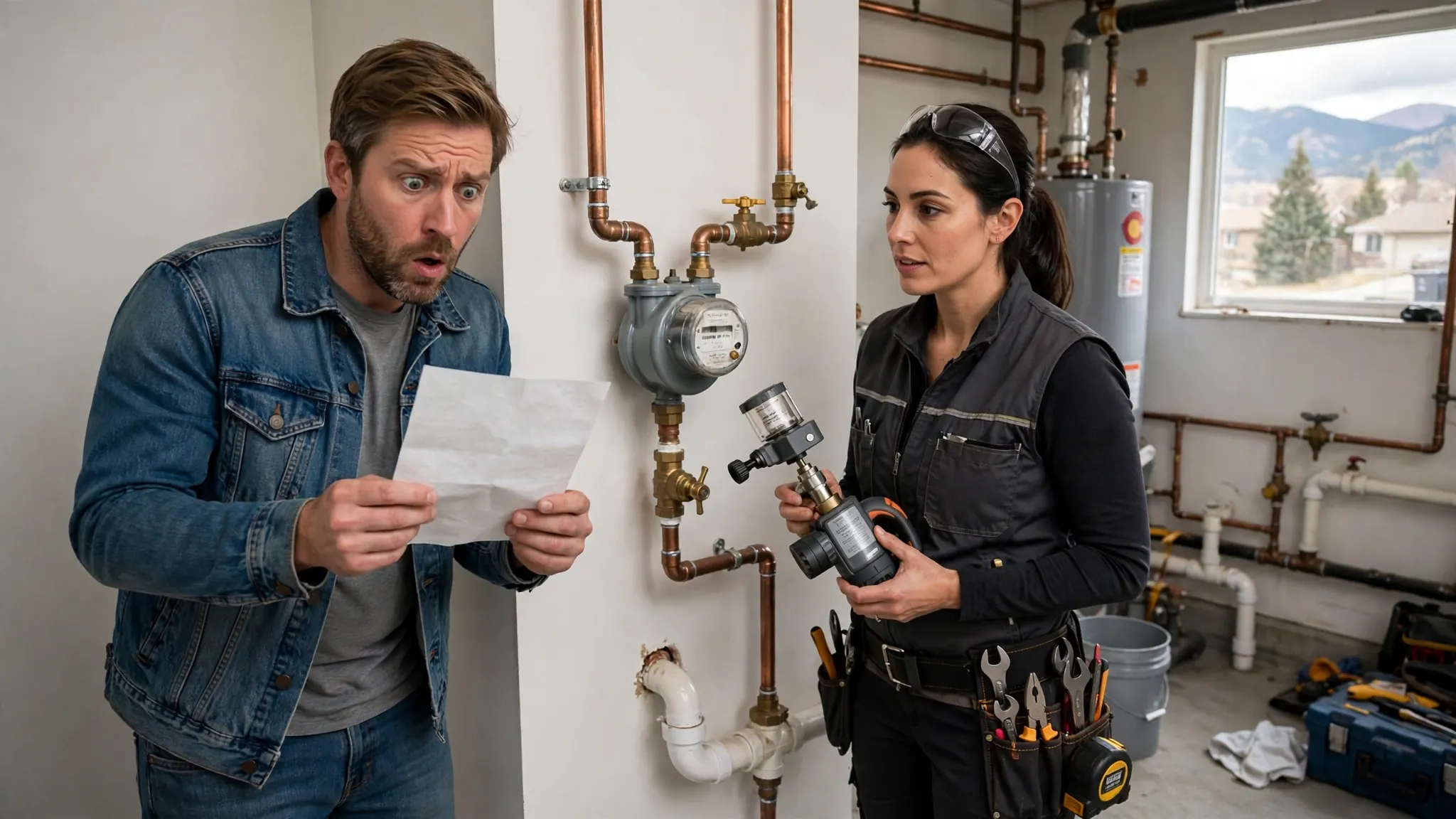
Your 80023 water bill doubled over the summer, one section of lawn is suspiciously lush, and there's a patch near the sidewalk that never quite dries. Nobody inside the house hears running water, and every faucet behaves normally. Odds are good the culprit isn't in your house at all — it's under your yard. Irrigation leaks are the quietest water wasters in residential plumbing: buried lines, nighttime watering schedules, and zones nobody inspects closely let a cracked lateral or a weeping valve run for entire billing cycles before anyone notices. This guide explains how professional irrigation leak detection in 80023 works — the zone-by-zone testing method that isolates the exact problem, the difference between valve failures and lateral line breaks, and the seasonal checks that keep small issues from becoming spring surprises.
Why Irrigation Leaks Go Unnoticed
Indoor leaks announce themselves — stains, sounds, smells, puddles. Irrigation leaks have none of those advantages working against them. The entire system lives underground, it operates on schedules that run while you sleep, and its "symptoms" look like landscaping quirks rather than plumbing failures. A zone that stays damp gets blamed on shade or soil. A lush stripe across the lawn reads as good grass, not a leaking lateral. A water bill that climbs through July and August gets chalked up to "it's just hot."
The math is what makes these leaks expensive. A valve that fails to close fully can seep a thin but constant stream twenty-four hours a day — through weekends, through vacations, through the entire watering season. Over a single billing cycle, that trickle adds up to thousands of gallons, and because the water goes straight into the soil, there's no puddle, no stain, and no sound to give it away. By the time most homeowners connect the bill to the yard, the leak has been running for months.
The Signs Pointing At Your Sprinkler System
Irrigation leaks leave a trail — you just have to know what counts as evidence:
- A zone that stays soggy days after watering. The signature symptom. If one zone is still wet when the others have dried, water is arriving from somewhere other than the schedule. Our guide to soggy sprinkler zones breaks down the possible causes.
- Unusually green stripes or patches. Grass thriving in a distinct line or patch is being fertilized by a steady underground water supply — often a cracked lateral feeding it.
- Geysers, misting, or weak heads during a cycle. A broken head or cracked lateral upstream robs the zone of pressure. Watch a full cycle from the sidewalk; the problem zone usually announces itself visually.
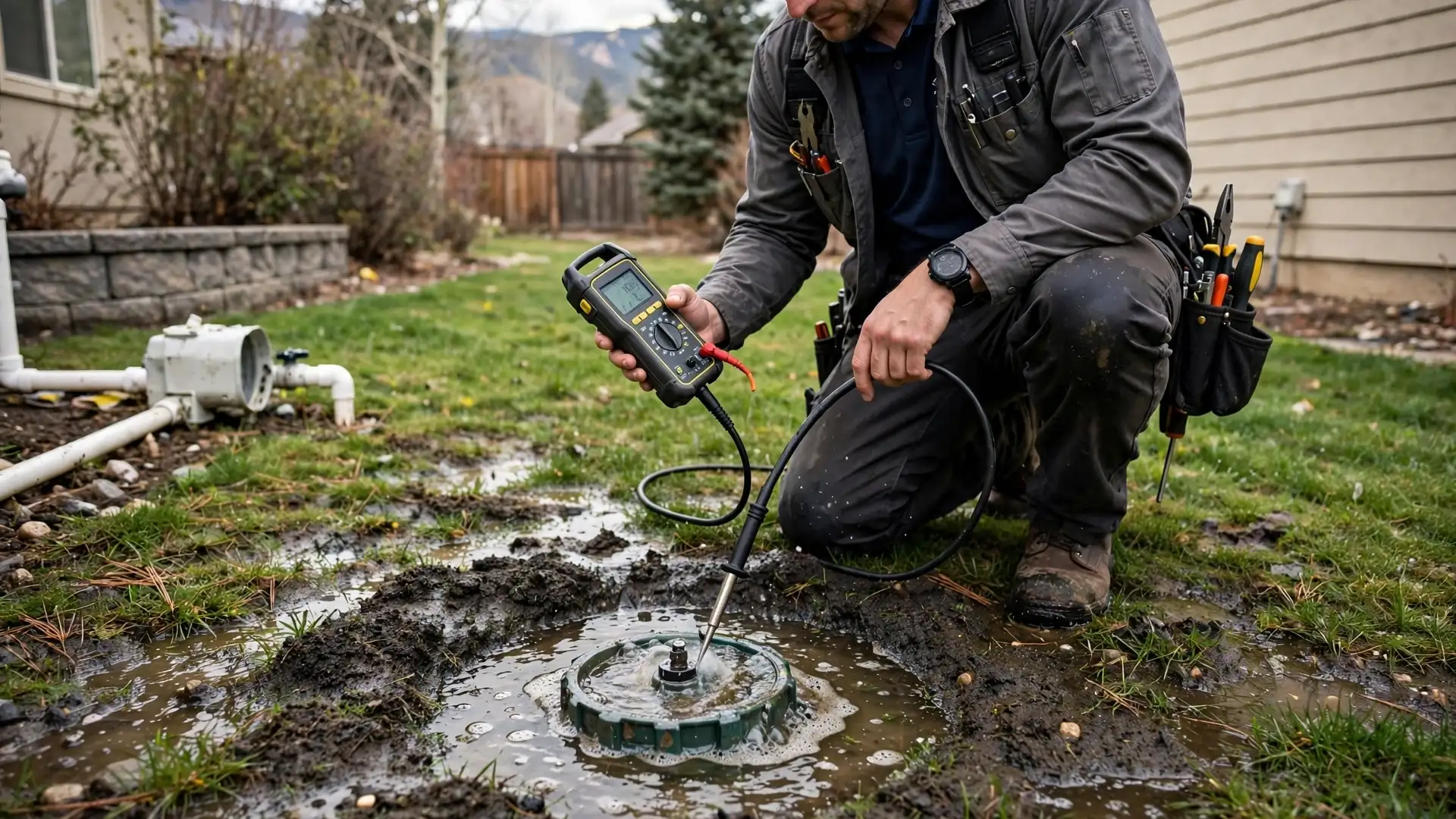
- Water pooling near valve boxes. Valve boxes should be dry between cycles. Standing water inside one points directly at the valve it houses.
- A summer bill spike with no indoor explanation. If the meter test shows usage with everything in the house off, the irrigation system is the prime suspect.
- The sound of running water when the system is off. Stand near valve boxes with the controller off. Hissing or trickling means a valve isn't sealing.
Any one of these justifies a closer look. Two or more together make irrigation the leading theory, and that's exactly where professional testing starts.
Zone-By-Zone Testing: How Pros Find It
The professional method for irrigation leaks is systematic rather than surgical: test each zone independently until the guilty one reveals itself. Here's how it works in practice.
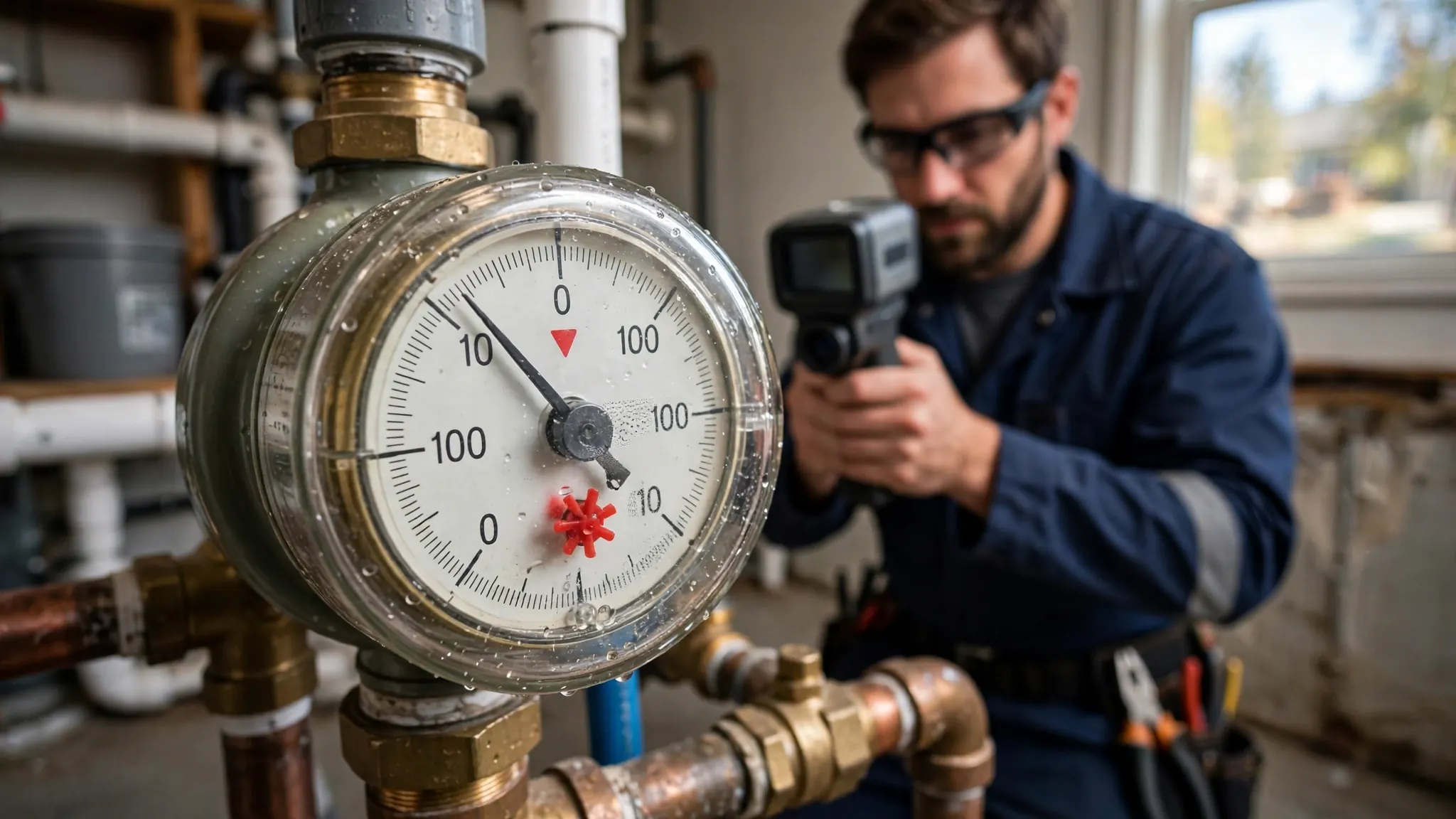
First, the technician establishes a baseline with the whole system off — checking the water meter for movement that indicates a valve seeping around the clock. Then each zone is run individually while flow and pressure are observed. A healthy zone holds steady pressure and shuts off cleanly; a leaking zone shows telltale behavior — pressure that won't hold, flow that continues after shutoff, or visible symptoms at the heads.
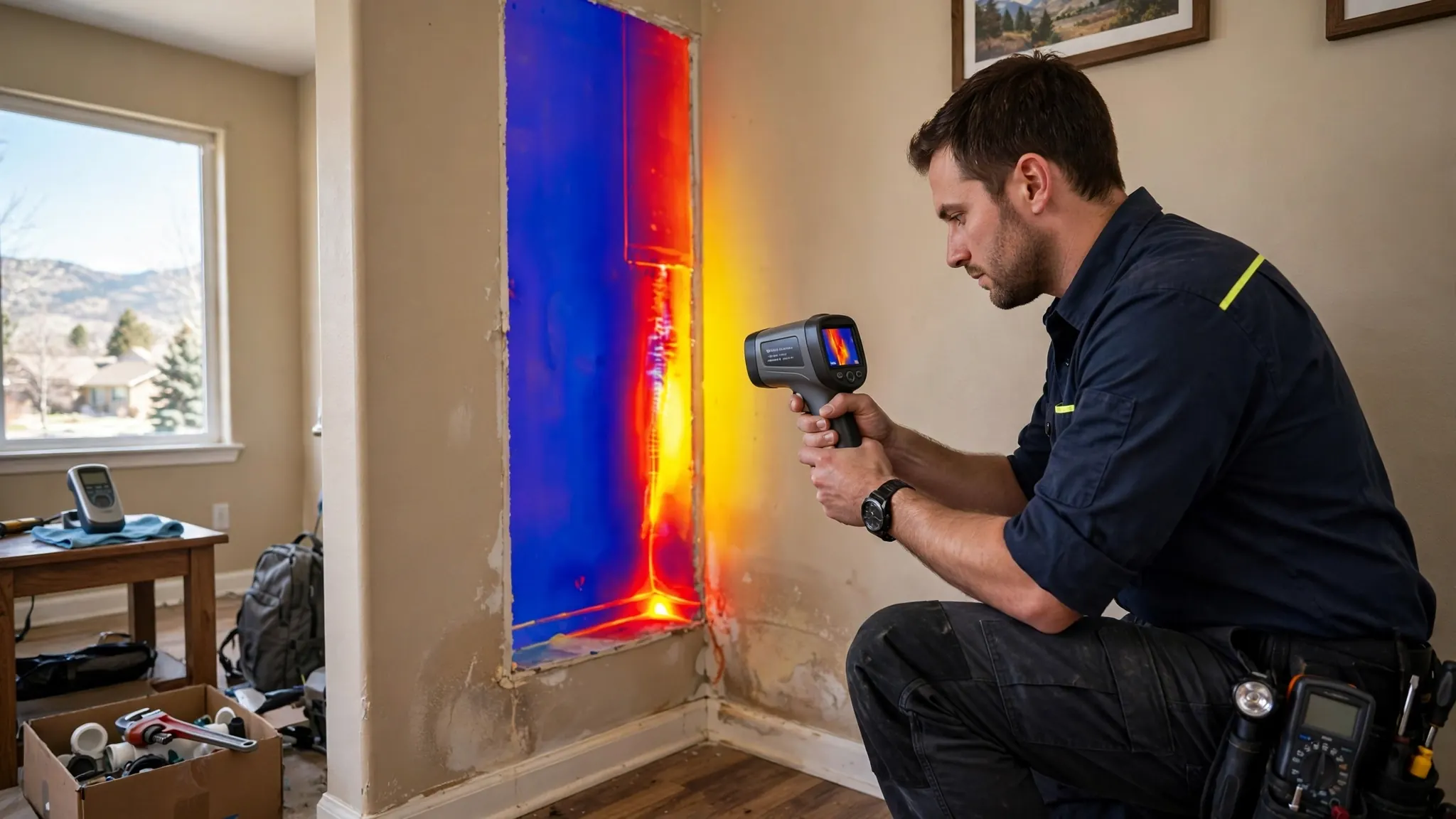
Once the problem zone is identified, the search narrows to that zone's components: the valve (tested for seal integrity), the lateral lines (traced acoustically — pressurized irrigation lines produce the same detectable sound signature as indoor supply leaks), and the heads and fittings. This staged approach is why zone-by-zone testing is so effective: instead of excavating hopefully across a whole yard, the technician digs once, in the right place. It's the same disciplined method behind our irrigation and sprinkler leak service — isolate, verify, then pinpoint.
Valves Vs. Lateral Lines: The Two Usual Culprits
Nearly every irrigation leak traces back to one of two components, and they fail in recognizably different ways:
- Valve failures — the valve is the gatekeeper for its zone, and when its diaphragm or seal wears out, it stops closing fully. The result is a zone that receives water continuously, not just during its scheduled run. Symptoms: persistent sogginess, water in the valve box, meter movement with the system off, and one zone dramatically lusher than its neighbors. Valve issues are the more common cause of mysterious constant water loss.
- Lateral line breaks — the pipes downstream of the valve that feed the heads. These crack from freeze damage, root intrusion, soil shifting, or simple age. Unlike valve leaks, lateral breaks typically lose water only while the zone is running. Symptoms: geysers or misting heads, weak pressure across the zone, visible wet spots that appear during cycles and fade after.
The distinction matters because the fixes differ — a valve rebuild versus a line repair — and because it tells you how urgent the waste is. A seeping valve runs around the clock; a cracked lateral wastes water only during watering windows. Zone-by-zone testing identifies which one you're dealing with before anyone picks up a shovel.
The cheapest irrigation diagnostic is a five-minute walk during a watering cycle, once a month. Look for geysers, misting, heads spraying the sidewalk, and zones that look different from the rest. Catching a lateral break in week one instead of month three saves thousands of gallons.
Seasonal Startup And Shutdown Checks
In Broomfield, irrigation systems live a seasonal life — and the transitions are when most damage happens. Water left in lines, valves, and backflow preventers over winter can freeze, expand, and crack components. The cracked pipe then sits silently until spring startup pressurizes it, and the first watering cycle of the year becomes the first leak of the year.
A proper fall shutdown means getting water out of the system — draining or blowing out the lines — and closing the irrigation supply for the winter. It's the single highest-value preventive step for irrigation plumbing. Spring startup deserves equal care: pressurize the system gradually, walk every zone during its first full cycle, and watch for the geysers and weak zones that signal freeze damage. A zone-by-zone check at startup catches winter casualties before they run all season. Many of the irrigation leaks we locate in May and June trace straight back to a skipped fall shutdown.
What You Can Check Before Calling
Three quick checks will tell you whether the irrigation system deserves professional attention:
- The controller-off meter test. Turn the irrigation controller completely off, make sure no water is running in the house, and watch your water meter for about fifteen minutes. Any movement means water is escaping somewhere — and with the irrigation off at the controller, a seeping valve is the likely path.
- The valve box inspection. Open each valve box and look inside. They should be dry. Standing water, mud, or the sound of trickling inside a box points directly at that valve.
- The cycle walk. Run each zone manually and walk it. Note geysers, misting heads, dry spots surrounded by green, and pressure that seems weak. Write down which zone misbehaves — that note saves the technician real time.
If these checks point at the irrigation system, you've done the useful half of the diagnosis. The other half — tracing the exact break in a buried lateral or confirming a valve's internal seal — is where acoustic equipment and zone isolation earn their keep. That's the work our 80023 leak detection service does daily: find the zone, find the component, mark the spot, and hand you a report you can act on.
If the water bill climbed before the soggy spots appeared, the bill-spike guide connects the dots, and detection costs in 80023 outlines what the visit involves.