Nobody publishes a universal price for leak detection because the work varies so much from one property to the next — but every honest quote covers the same three things: specialized instruments, practiced interpretation, and documentation you can hand to a plumber or an insurer. A visit that finds a pinhole leak inside a bathroom wall takes different tools and a different amount of time than tracing a service line leak under twenty feet of yard. Understanding what sits behind the number helps you compare quotes on substance instead of price alone, and it explains why the cheapest option frequently turns into the most expensive one. The 80038 postal zone is PO-box-only, so our coverage here means the greater Broomfield area — homes and businesses across the city that carry an 80038 mailing address. Our leak detection service for the 80038 area follows the same methodical process we use everywhere in Broomfield.
What You're Actually Paying For
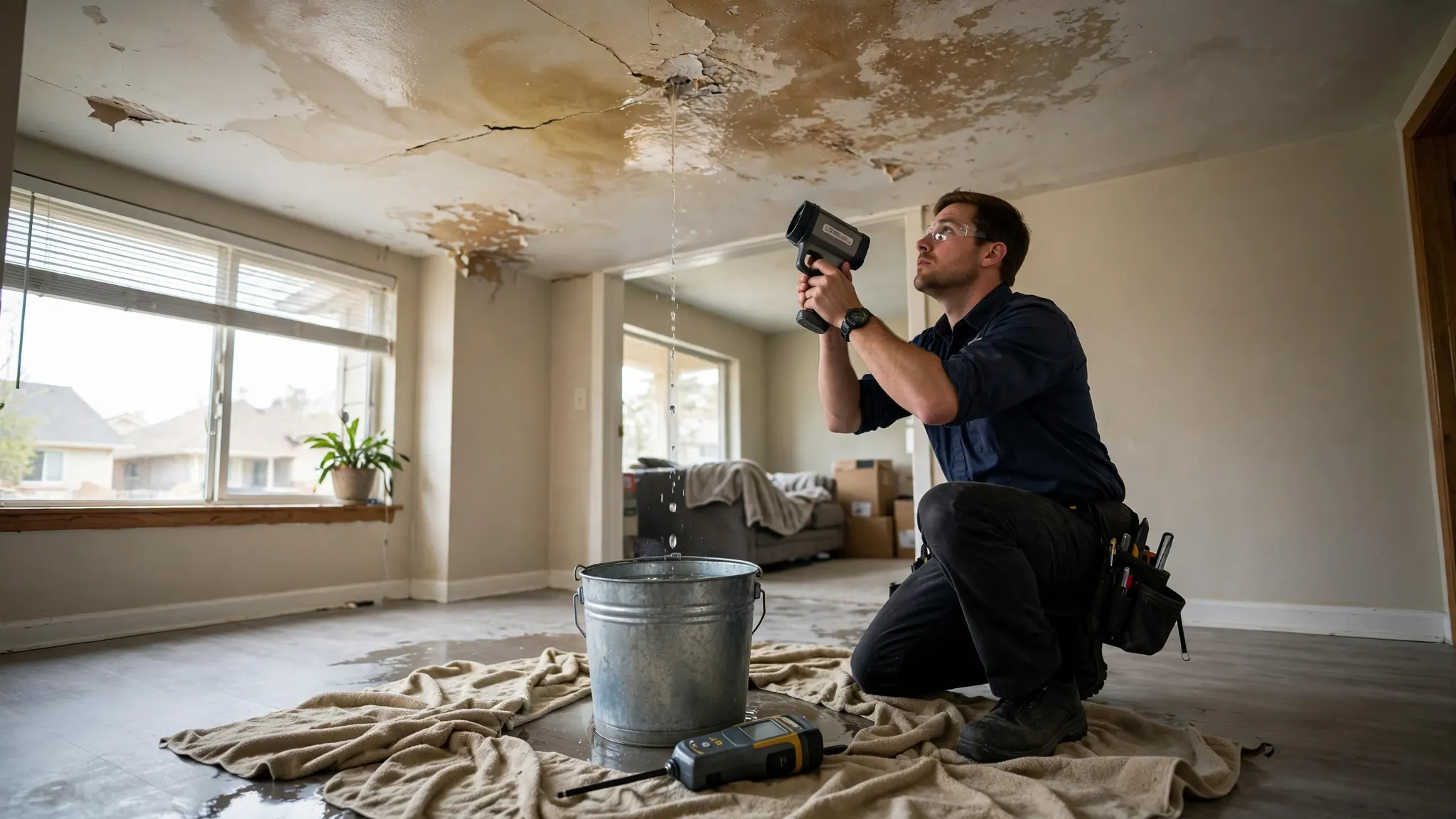
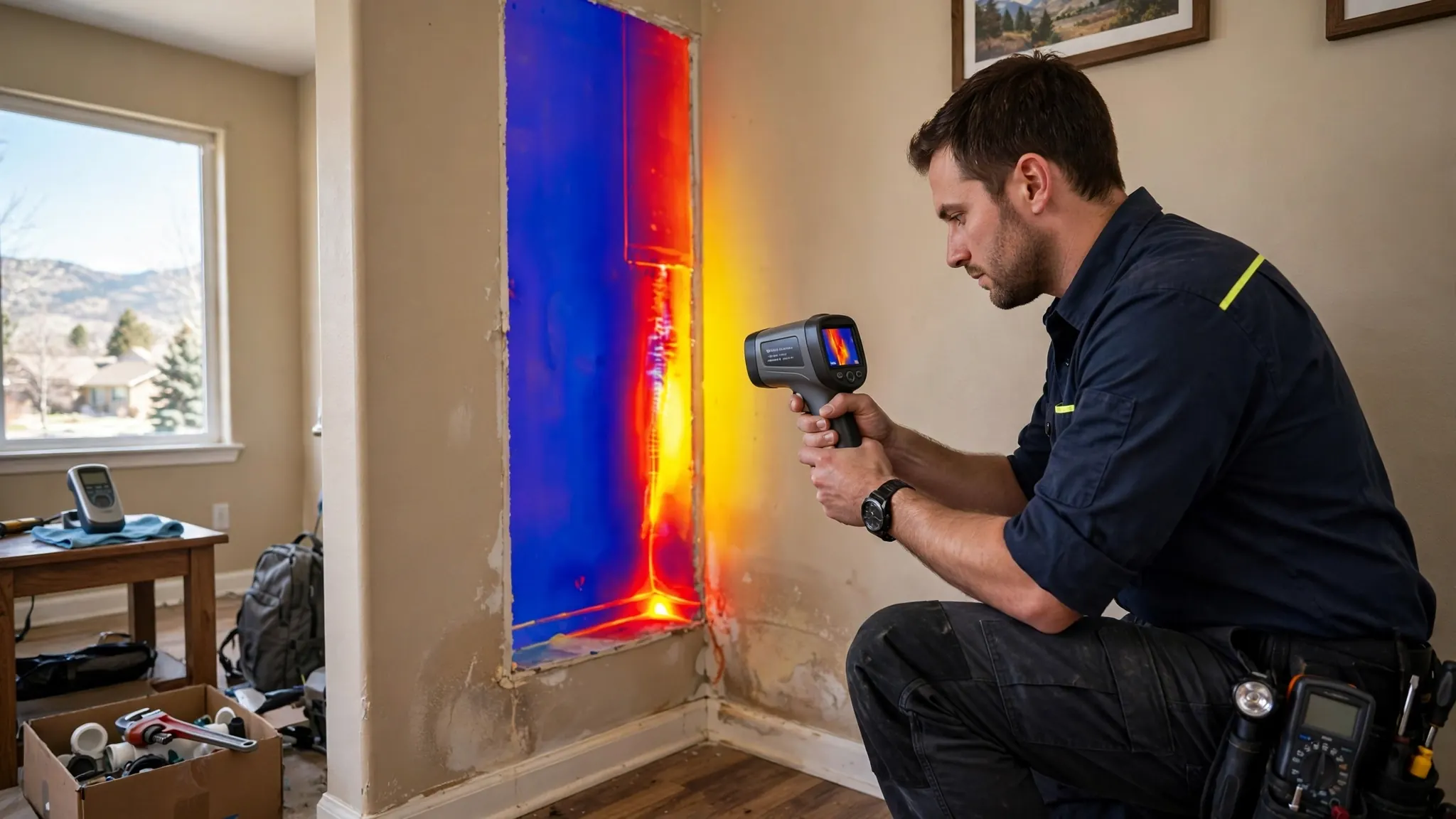
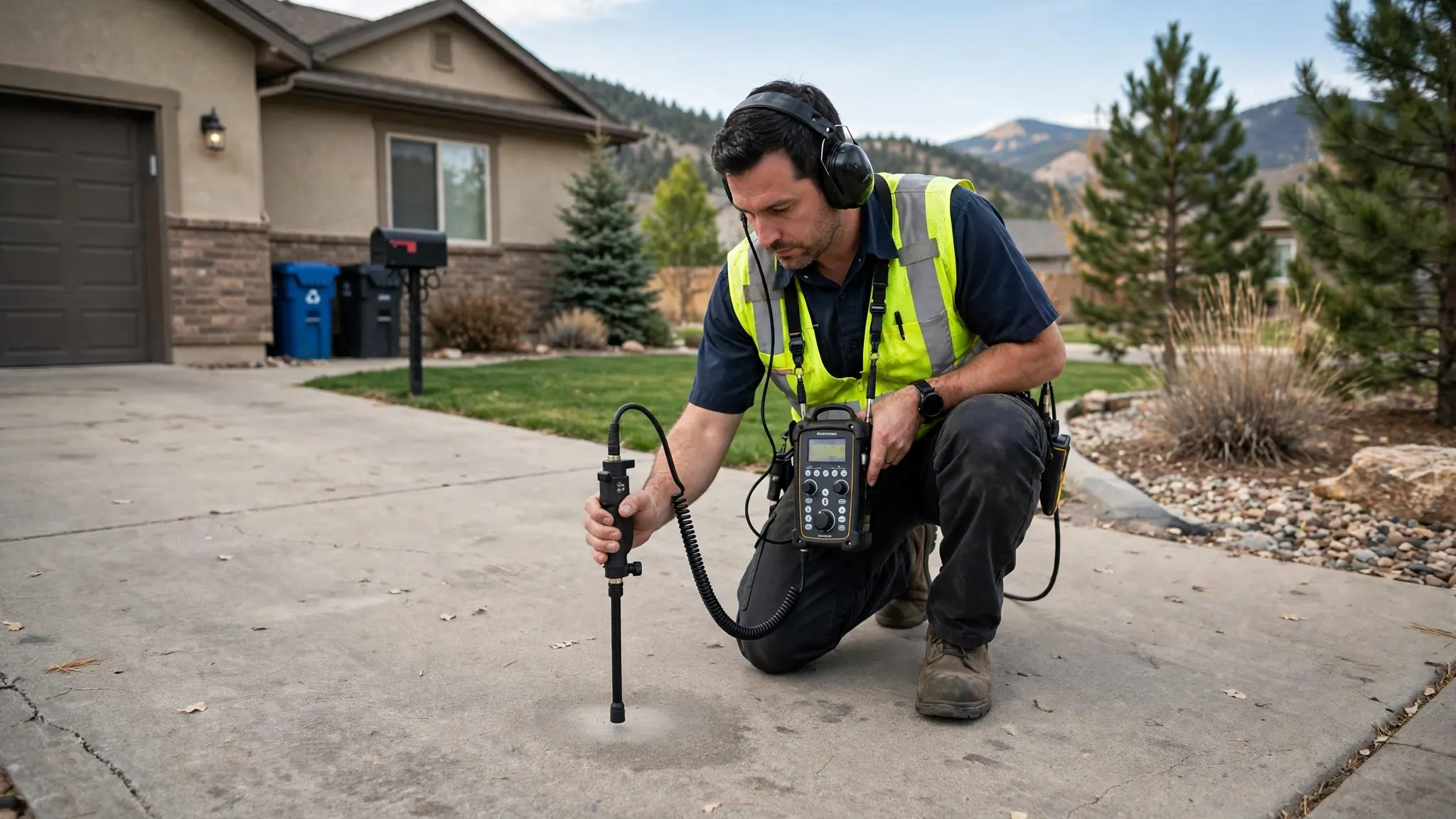
A leak detection visit is not someone looking around with a flashlight. Professional detection is a diagnostic discipline built on equipment that general plumbing trucks rarely carry: ground microphones and correlators that hear pressurized water escaping underground, thermal cameras that map temperature anomalies across walls and slabs, pressure gauges and isolation rigs that test pipe sections independently, and moisture meters that confirm what the other instruments suggest. That kit represents a real investment, and keeping it calibrated and on the truck every day is part of what any quote reflects.
The second thing you're paying for is interpretation. An acoustic sensor reports sound; the technician decides which sound is a leak and which is a refrigerator humming two rooms away. Two operators can run identical equipment and reach different conclusions — the one with twenty-five years of listening behind them reads the signal faster and with fewer false positives. That judgment is the difference between a pinpoint repair and a exploratory hole in the wrong wall.
The third component is documentation. A proper leak detection report records where the leak is, how it was located, what the pressure readings showed, and what was photographed along the way. That paperwork is what lets a repair plumber cut once and fix the right thing, and it's what insurers and property managers need when a claim follows. Quotes that skip documentation are quoting a thinner service.
What Moves The Price Up Or Down
Several practical factors push a detection job toward the simpler or the more involved end of the range. Knowing them lets you describe your situation accurately when you call, which gets you the clearest possible quote.
Leak location and accessibility
A leak inside an accessible wall cavity is typically the fastest to pin down: the technician can listen and scan directly. A suspected slab leak requires working through concrete, which means longer acoustic surveys and thermal mapping. An underground buried line in the yard can mean tracing a run of pipe across soil of varying depth and composition — thorough, methodical work that takes real time.
How many possibilities need ruling out
A single warm spot on the floor with a spinning water meter is one strong hypothesis to confirm. A damp basement with three possible water sources — plumbing, groundwater, condensation — is a differential diagnosis. Each additional suspect multiplies the testing, and an honest provider tells you that up front rather than quoting a flat figure and rushing.
Building size and pipe complexity
More square footage means more pipe to survey, more zones to isolate, and more time on site. Commercial-scale systems amplify this further — which is why commercial detection is scoped per building rather than priced like a residential visit.
Timing of the call
A scheduled daytime visit is the most economical way to get detection done. Emergency calls — nights, weekends, holidays, or water actively spreading — carry the cost of keeping a trained crew available around the clock. That premium buys immediate response when waiting would mean thousands in water damage.
Why The Cheapest Quote Often Costs More Later
A suspiciously low quote usually means something is missing: older or incomplete equipment, a quick visual once-over billed as "detection," or a technician whose real business is the repair work that follows a vague diagnosis. The classic failure mode looks like this — a cheap visit identifies the wrong wall, a plumber opens it and finds nothing, a second visit re-diagnoses, and the repair finally happens weeks later after two rounds of drywall patching and a water bill that kept climbing the whole time.
The other hidden cost of cut-rate detection is what it fails to document. Without thermal images, pressure readings, and a written pinpoint, the repair plumber is working from a verbal description — "somewhere near the bathroom" — and every exploratory opening adds labor and patchwork to the total. A precise, documented finding usually pays for itself in the repair phase alone.
There is also the matter of missed leaks. A cursory survey can declare a system clean while a slow service-line leak continues saturating the soil for months. By the time it surfaces, the water bill history is ugly and the repair is bigger than it ever needed to be. Detection is cheap insurance against that outcome — but only if it's done thoroughly.
Detection Costs Less Than Guesswork
The fairest way to think about detection pricing is to compare it against the alternative, not against other quotes. Without detection, a hidden leak gets fixed by trial and error: opening walls on suspicion, replacing runs of pipe "just in case," or jackhammering a slab based on a hunch. Each guess costs labor, materials, and restoration — and the leak may survive all of it.
Professional water leak detection inverts that math. One focused diagnostic visit tells the repair crew exactly where to open up, which turns a multi-day fishing expedition into a single targeted repair. Homeowners who have been through both approaches rarely debate which one was cheaper in the end.
Call (720) 715-9734 and describe what you're seeing — the stain, the sound, the bill. We'll explain what the visit involves and quote it clearly before anyone is dispatched. No vague ranges, no surprises on the invoice.
What A Professional Visit Includes
When you book with a dedicated detection company, the visit follows a consistent pattern regardless of where the leak turns out to be. Expect an initial walkthrough where the technician maps your symptoms against the property's plumbing layout, then systematic testing — acoustic listening, thermal scanning, pressure isolation, or meter analysis, chosen to fit the case rather than forced onto it.
You should receive a clear verbal finding on site: where the leak is, how confident the pinpoint is, and what the recommended next step looks like. The written report follows with the images and readings that back it up. That report is also what you bring to your insurer if the damage qualifies for a claim — and to the plumber who performs the repair, so their work starts at the right square foot of wall instead of a general area.
Our crews have been doing this work for 25 years, and we hold an average rating of 4.9 out of 5 from more than 250 customer reviews. We answer 24/7 and arrive in 30–45 minutes across the greater Broomfield area, including every property carrying an 80038 mailing address.
Questions To Ask Before You Book
A few direct questions separate thorough providers from cheap ones before you spend anything:
- What equipment will the technician bring for my specific symptoms — acoustic, thermal, pressure testing?
- Is the quote for detection alone, or does it bundle repair work I haven't agreed to?
- Will I get a written report with images and readings, or just a verbal opinion?
- How is the price affected if the first suspected location turns out to be wrong?
- Do you specialize in detection, or is it a side service of a plumbing company?
- What does your emergency response cost relative to a scheduled visit?
Straight answers to those six questions tell you nearly everything about what a quote is worth. If you'd rather skip the interrogation, call (720) 715-9734 — we'll answer them all before you commit to anything, and if your situation doesn't actually need us, we'll tell you that too.