Most people facing a hidden leak call a plumber, because plumbing is the closest familiar trade. But locating a leak you can't see is a separate discipline with its own equipment, its own diagnostic method, and its own failure modes — and the difference between a company that specializes in it and one that offers it as a side service shows up in the accuracy of the find. 80038 doesn't map to a single neighborhood — it's a PO-box-only postal designation — so we serve it as part of our greater Broomfield coverage. Here's how to evaluate any leak detection company serving the 80038 area, including us, on the merits that actually determine the outcome.
Leak-Only Specialists Vs. General Plumbers
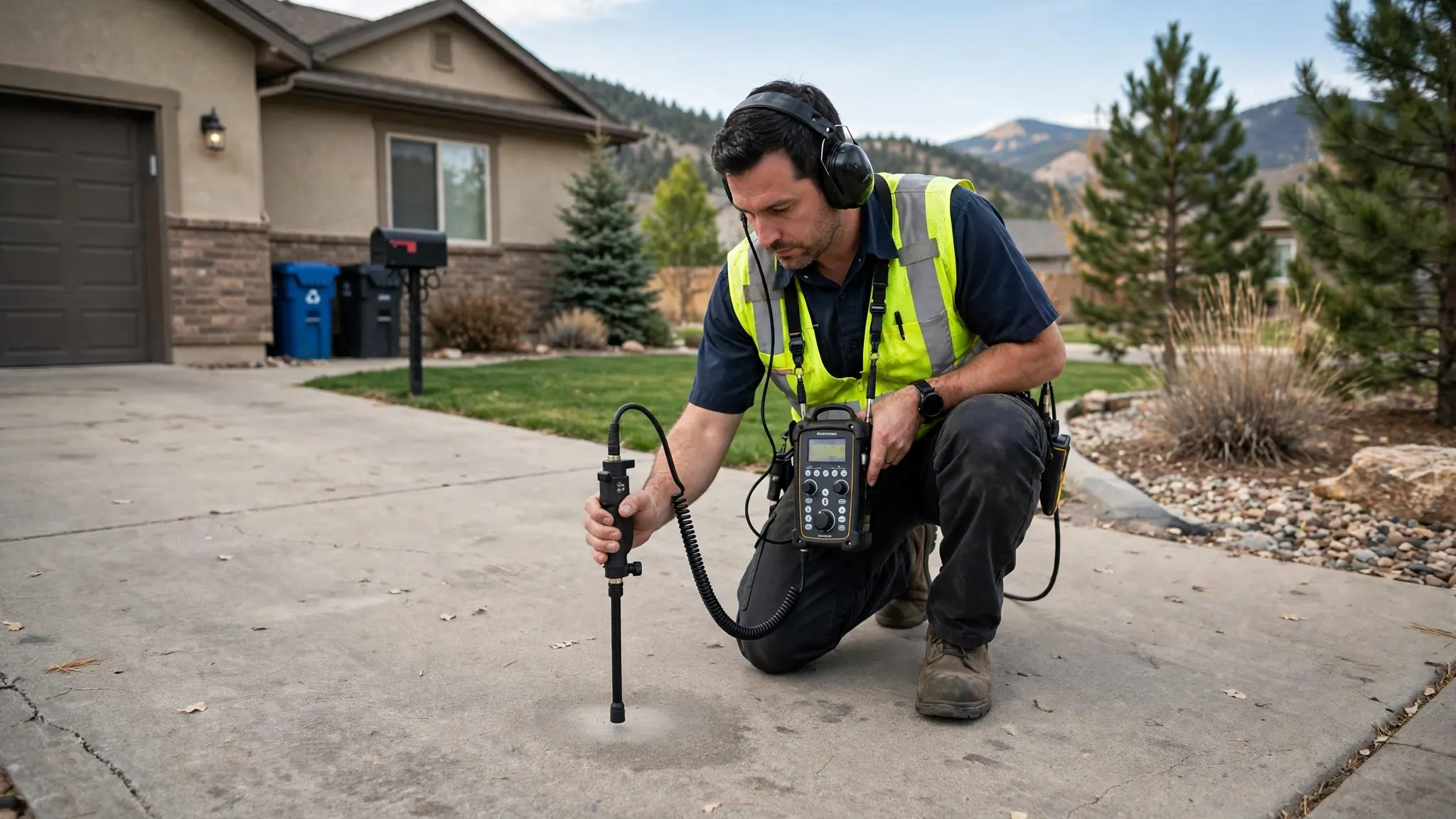
A general plumber's core skill is repair: cutting, soldering, threading, and replacing. Detection is diagnosis, and it uses a different toolkit — acoustic correlators, thermal cameras, pressure isolation rigs — that most plumbing trucks don't carry because most plumbing jobs don't need them. When a general plumber takes on a hidden leak without that equipment, the honest ones say so and refer out; the less careful ones diagnose by opening walls and seeing what's wet.
That isn't a criticism of plumbers — you will absolutely need one for the repair phase. It's a division of labor: the detection specialist finds the exact point of failure with instruments, and the plumber fixes exactly that point. Companies that do detection all day, every day, build pattern recognition that a part-time practitioner can't match: they've heard thousands of leak signatures through a ground microphone and know the difference between a pinhole hiss and normal pipe resonance.
The practical test is simple. Ask the company what percentage of their work is detection versus repair and installation. A specialist answers confidently with a high number. A company that hesitates, or describes detection as something they "also do," is telling you where their expertise actually lives.
What Specialization Actually Buys You
Specialization shows up in three concrete ways that affect your outcome and your wallet.
Equipment depth
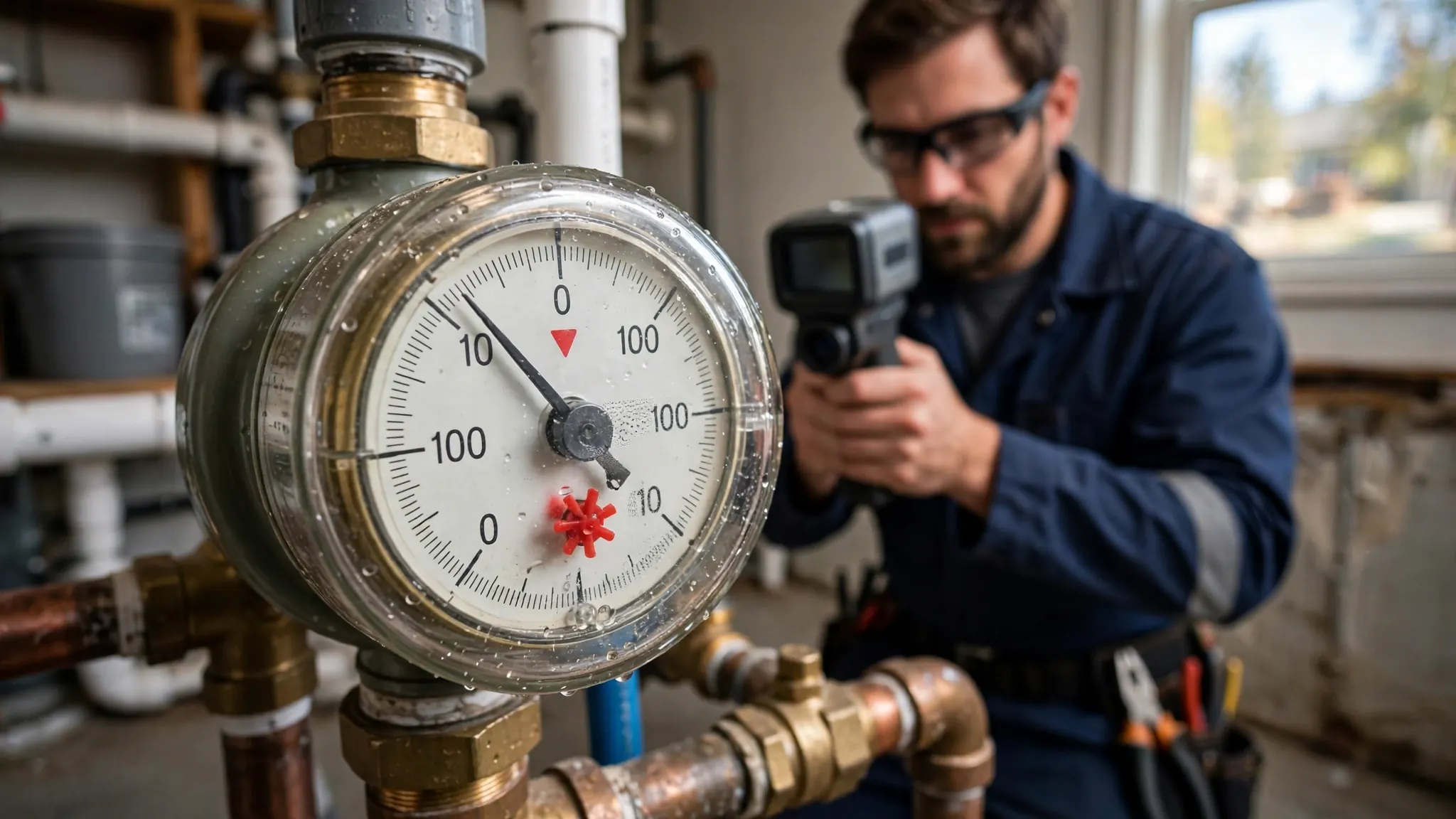
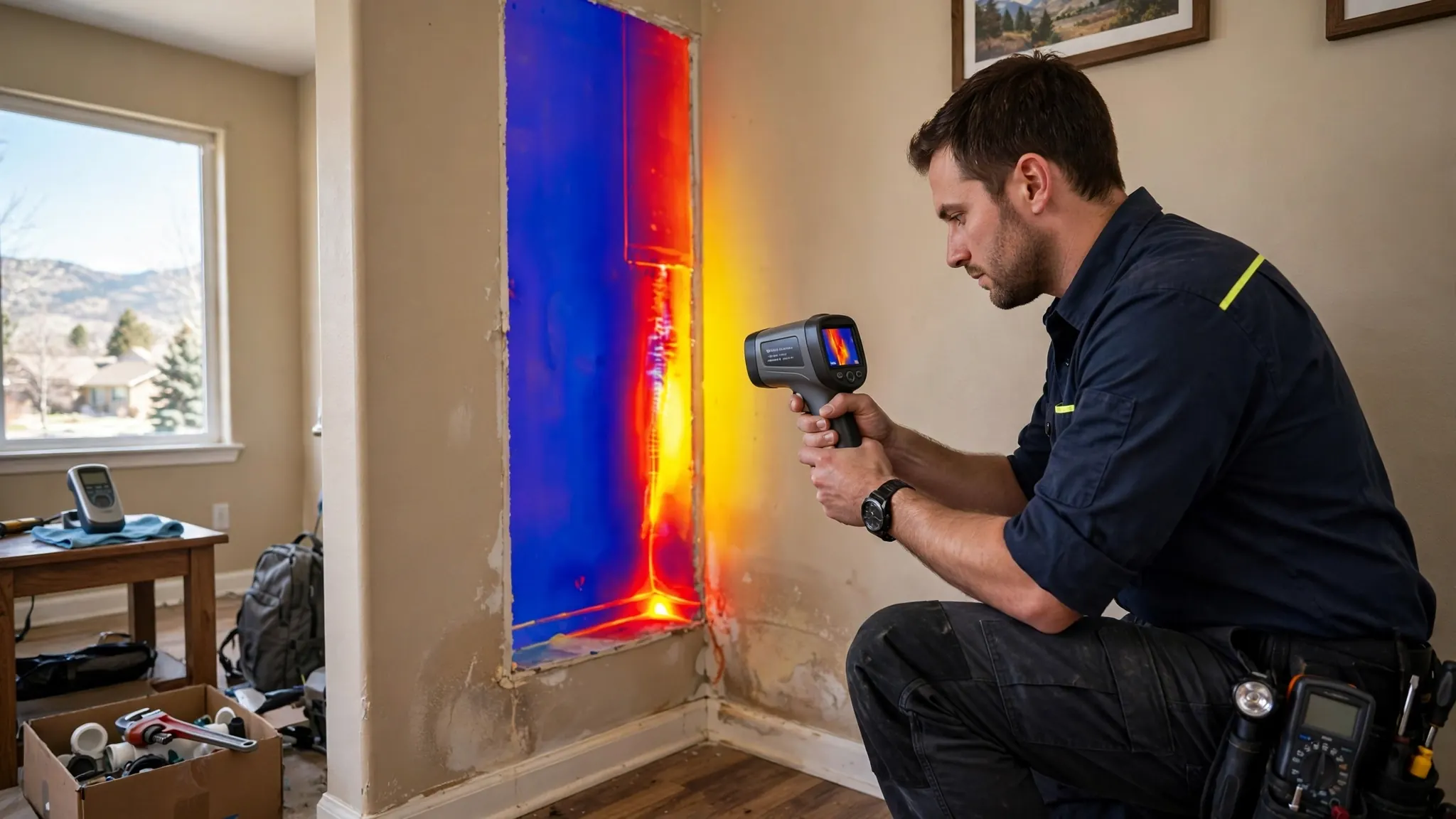
A dedicated detection company carries the full instrument range and, just as important, knows which tool fits which case. Acoustic gear for pressurized supply leaks, thermal imaging for hot-water lines and moisture mapping, tracer gas for stubborn cases, pressure testing for system-wide verification. One-trick operators apply their one trick to everything; specialists match the method to the symptom.
Pinpoint accuracy
The economic value of detection is precision: the repair plumber cuts one opening instead of three. Specialists stake their reputation on pinpoint accuracy, which means they're motivated to confirm the find with a second method before declaring it. Generalists billing hourly for the subsequent repair have a weaker incentive to be exact — a wider search area just means more billable repair work.
Documentation discipline
Detection specialists produce written findings as a matter of course: locations, images, pressure readings, confidence levels. This is partly professional habit and partly self-interest — their name is on the pinpoint. Documentation is also what makes the repair efficient and the insurance claim credible, so it pays you back twice.
The Questions That Separate Pros From Guessers
Before you book anyone, ask these. The quality of the answers tells you nearly everything:
- "What equipment will you bring for my symptoms?" A pro names specific instruments and explains why they fit your case. Vague answers — "we've got all the tools" — are a warning.
- "How do you confirm a find before I pay for a repair?" Listen for second-method verification: acoustic plus thermal, or pressure isolation confirming the acoustic pinpoint.
- "Will I get a written report?" Professionals say yes without hesitation and describe what it contains.
- "What happens if the first location is wrong?" Honest companies explain their re-check process. Companies that get defensive have something to hide.
- "Is detection your main business or a side service?" As discussed above — the answer reveals where the expertise lives.
- "How many hidden leaks do you locate in a typical month?" Volume builds judgment. You want a number that reflects daily practice, not occasional dabbling.
Red Flags Worth Walking Away From
A few patterns reliably predict a bad outcome. Be cautious of any company that quotes a firm repair price before locating the leak — nobody prices a fix for a failure point they haven't found yet. Be equally wary of "free detection with repair," which is usually a repair quote wearing a costume: the incentive is to find something expensive to fix, not to find the truth.
Watch for pressure tactics around timing — "this price is only good today" has no place in a diagnostic service. And be skeptical of anyone who wants to start cutting before instruments come out. Demolition-first is the signature move of a guesser, and it's your drywall paying for their uncertainty.
We welcome these questions — ask us anything on this list when you call (720) 715-9734. A company worth hiring is never annoyed by an informed customer; we're annoyed by competitors who give the trade a bad name.
Why Local Knowledge Matters In Broomfield
Detection judgment is partly local. Broomfield's freeze-thaw cycles punish exterior and poorly insulated supply lines every winter, and a local technician knows which building vintages in the area run vulnerable pipe routing. Local soil conditions affect how sound travels for underground acoustic work, and familiarity with area water chemistry helps predict where pinhole leaks form in aging copper.
Local also means logistical: a company actually based in Broomfield — our shop is at 1798 W 6th Ave — dispatches from minutes away, not from across the metro. That matters for the 30–45 minute arrival we promise, and it matters when a follow-up visit is needed. Verify any company's local claim with a real street address, not a PO box or a call-center number.
There's a subtler local advantage too: accountability. A company whose reputation lives and dies in one city can't afford a sloppy pinpoint — the next customer is a neighbor, and word travels. Distant operators and lead aggregators face no such discipline; a bad job in Broomfield is just one row in a spreadsheet. When the company's name is on the building down the street, accuracy becomes a survival strategy, and you benefit from it.
How We Measure Up To This Checklist
Apply the checklist to us: detection is our entire business, not a side service. Our crews carry acoustic, thermal, and pressure equipment on every truck and have 25 years of combined practice reading what those instruments report. Every visit ends with a written report — images, readings, pinpointed location — because that's the standard we'd want if the leak were in our own walls.
We hold an average rating of 4.9 out of 5 from more than 250 customer reviews, we answer 24/7, and we arrive in 30–45 minutes across greater Broomfield, including every address in the 80038 postal zone. If you need a slab leak traced, a supply leak pinpointed, or a commercial system surveyed, call (720) 715-9734 — and bring your hardest questions.