Booking a leak detection appointment should be the easiest part of a stressful day. One call, a few questions, a scheduled window — and then a technician shows up with the instruments to find your leak without tearing your house apart. No forms, no phone trees, no waiting days for a callback. Here is exactly what happens when you call Broomfield Leak Detection Pros, what information to have ready so the call takes two minutes, how scheduling works, and what the visit itself looks like from the knock on your door to the written report in your hand.
What Happens When You Call (720) 715-9734
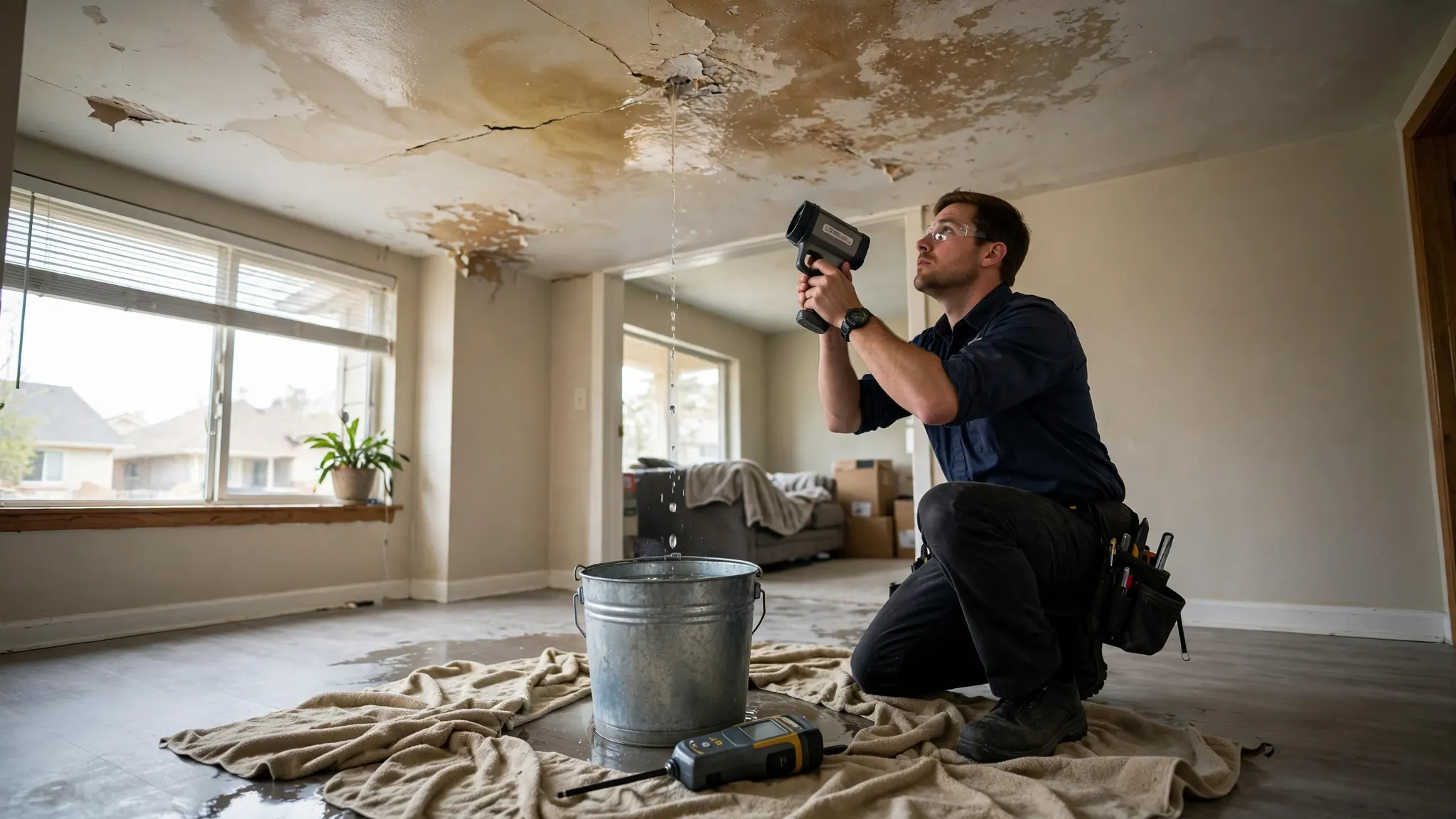
Your call is answered 24/7 by our own dispatch — a person, not a phone tree and not a call center in another state. The dispatcher will ask what you are seeing: sounds, stains, bill changes, where you think the leak might be. They will ask about your home — address in 80021, type of house, how many stories — and whether water is actively flowing right now. That last question decides the track: active, uncontained water goes to emergency dispatch with a 30–45 minute arrival target, while everything else gets scheduled at your convenience. Either way, you will get a clear next step before hanging up: an arrival window for emergencies, or a scheduled appointment with a confirmed flat fee for the detection visit. The whole call typically takes a few minutes, and the quote is free with no obligation.
Information To Have Ready
You do not need to be an expert — but having a few details ready makes the call faster and the quote more exact:
- Your exact address in 80021, plus access notes: gate codes, parking instructions, aggressive pets, or anything that affects reaching your door.
- Your symptoms in plain language: when you first noticed, what you see or hear, whether it is getting worse.
- Meter readings if you ran the two-hour test — "the meter moved with everything off" is gold.
- Photos of stains, wet areas, or the meter dial, if you took any.
- Where your main shutoff valve is, if you know — and whether the water is currently on or off.
- Who will be present: an adult decision-maker needs to be home during the visit.
Missing some of this is fine — the dispatcher will work with whatever you have. But the symptom details especially help us arrive with the right instruments staged and the right diagnostic plan in mind.
Unless water is actively damaging your home, leave the water on before our visit. Pressurized lines are far easier to diagnose than depressurized ones — the instruments listen for water under pressure.
Scheduling Windows And Same-Day Service
Scheduled appointments run in defined arrival windows so you are not waiting around all day, and dispatch confirms the window when you book. Same-day service is commonly available in 80021 — when you call in the morning, there is a good chance a technician is at your door that afternoon. Emergency calls jump the queue entirely: 24/7 dispatch, 30–45 minute arrival, nights, weekends, and holidays included. A few things affect timing honestly: severe weather can slow travel, and a major emergency elsewhere may shift a scheduled window — if that happens, dispatch calls you rather than leaving you guessing.
If your situation is not an emergency but still time-sensitive — a home-sale inspection deadline, a tenant issue, a bill that keeps climbing — tell the dispatcher. We prioritize scheduled appointments by urgency, not just by order received, and we will be honest about whether your timeline is realistic. And if you are booking for someone else, like an elderly parent or a rental property, let us know who the on-site contact will be so dispatch has the right name and number on the work order.
When you book, you will also get the flat detection fee confirmed upfront, so the only surprise on visit day is how quickly the leak gets found.
Preparing Your Home For The Visit
A little preparation shortens the visit. Clear access to the water meter, the water heater, and any crawlspace, basement, or utility areas — technicians should not spend your appointment moving storage boxes. Clear under-sink areas if a bathroom or kitchen leak is suspected. Secure pets in a separate room; open doors and strange equipment stress animals and slow the work. Make sure an adult is present who can authorize the work and answer questions about the home's history. One counterintuitive note: do not "clean up" the evidence. Leave stains, wet spots, and damp areas as they are — they are diagnostic clues, and a freshly dried area tells the technician nothing. If you shut the water off during an emergency, leave it off; the technician will manage the valves from there.
For condos and townhomes, check whether your HOA needs notification before work begins — most do not require it for non-invasive diagnostics, but a quick heads-up avoids misunderstandings. If your home has a smart water shutoff or leak sensors, mention them on the call; they give the technician useful history about when flow was detected.
What The Visit Looks Like, Step By Step
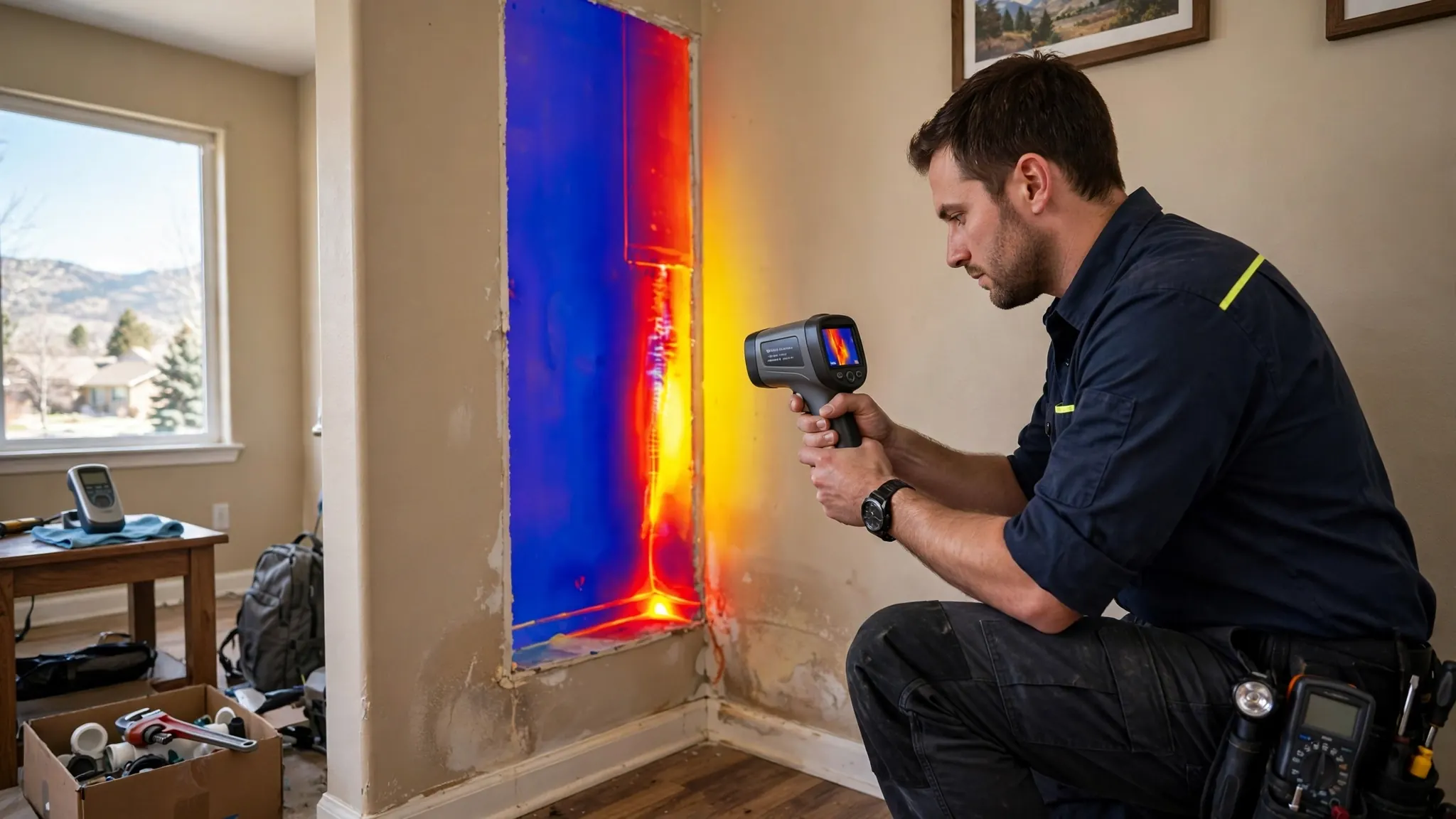
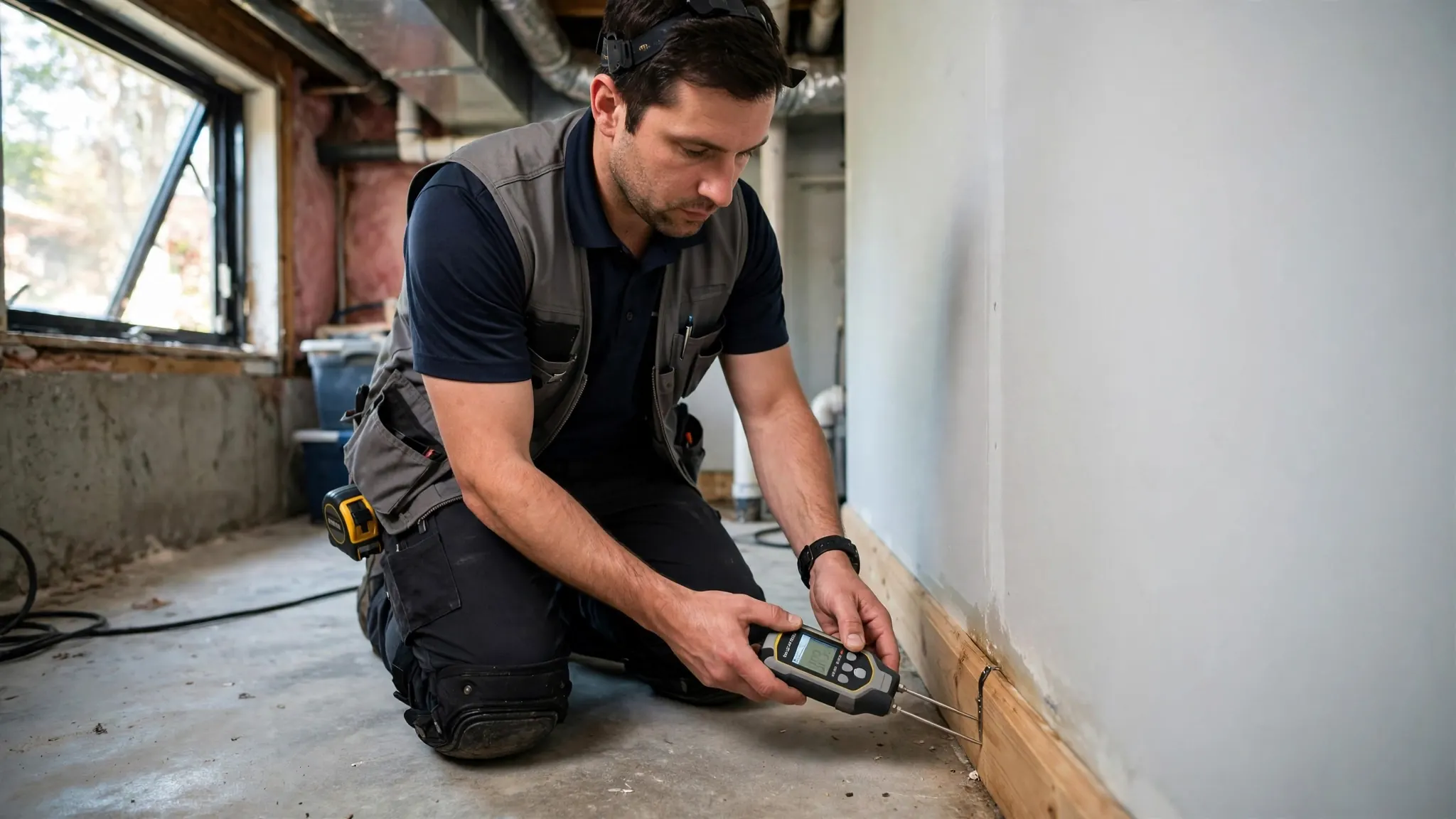
Knowing the sequence takes the mystery out of the appointment. First, a walkthrough: the technician reviews your symptoms, looks at the affected areas, and asks about the home's plumbing history. Second, a meter and flow check confirms whether water is moving and how fast. Third, zone isolation — shutting off the irrigation, then house branches one by one — narrows the leak to a specific system. Fourth, pinpointing with our water leak detection instruments: acoustic listening traces the hiss of escaping water, thermal imaging maps heat signatures and moisture, and pressure testing confirms the diagnosis. Fifth, the location gets marked clearly — typically with tape or paint — so there is no ambiguity. Throughout, the technician explains what each step is revealing in plain language. Nothing gets opened, cut, or demolished at any point; detection is entirely non-invasive. Learn more about the methods on our leak detection page, and see how 80021 service is structured.
What You Get When We Are Done
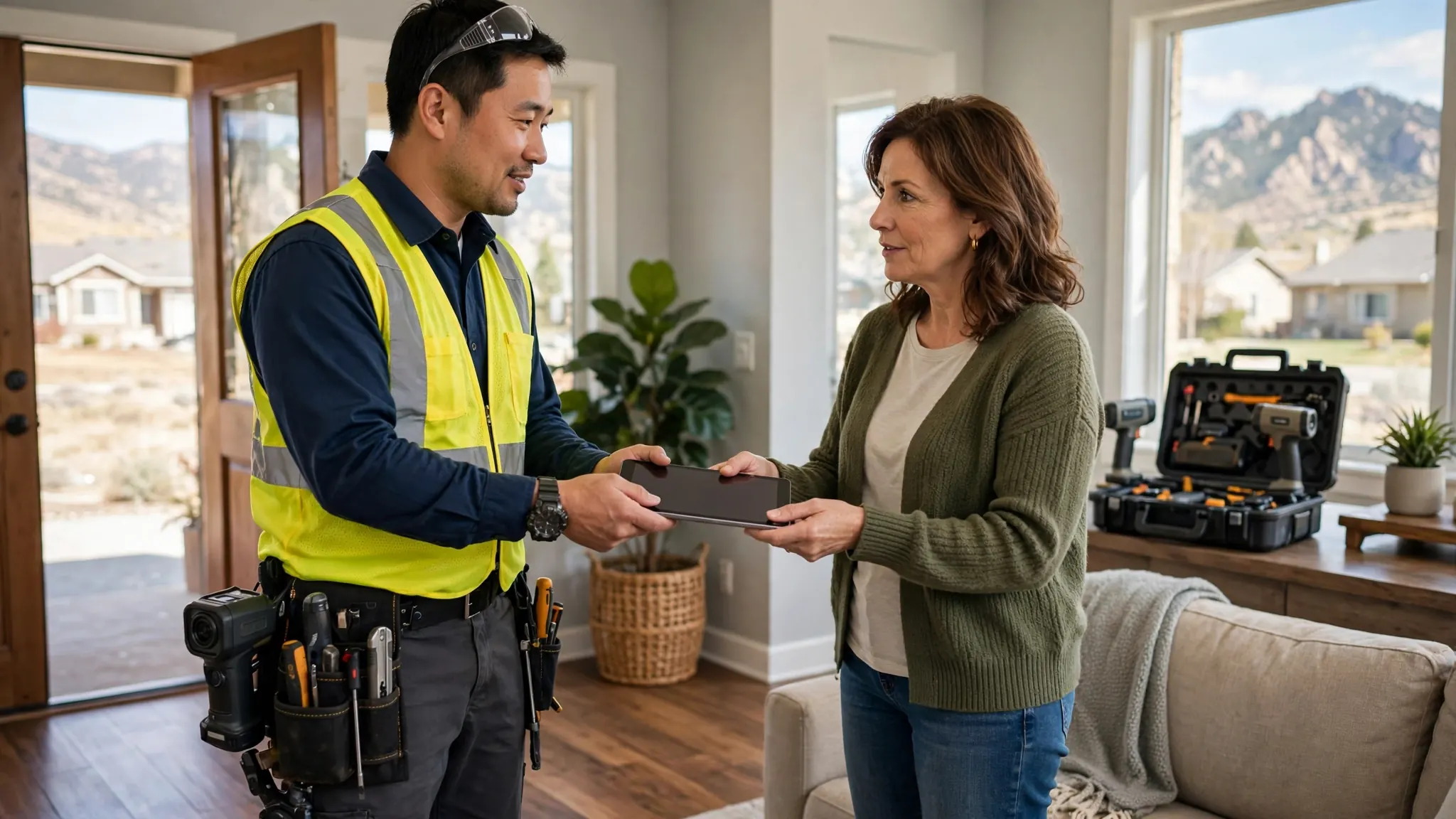
The visit ends with answers, not just a mark on the floor. The technician walks you through the findings on the spot: where the leak is, what kind of leak it is, which line failed, and what the sensible next steps look like. Then you receive the written report — pinpointed location with photos, thermal images where applicable, pressure-test readings, and a clear description of findings. That document is the bridge to everything next: hand it to any qualified plumber for an accurate repair quote, file it with your insurance claim, or keep it for your records. If no leak is found, the report documents every zone tested and ruled out, which is valuable in its own right. Either way, you paid for certainty, and certainty is what you take home. Ready to book? Call (720) 715-9734 — it takes two minutes, and the quote is free.
Booking around a pool problem? the pool-specific cost guide has the details, and finding local detection in 80021 helps confirm you are calling local.